HOW IT STARTED
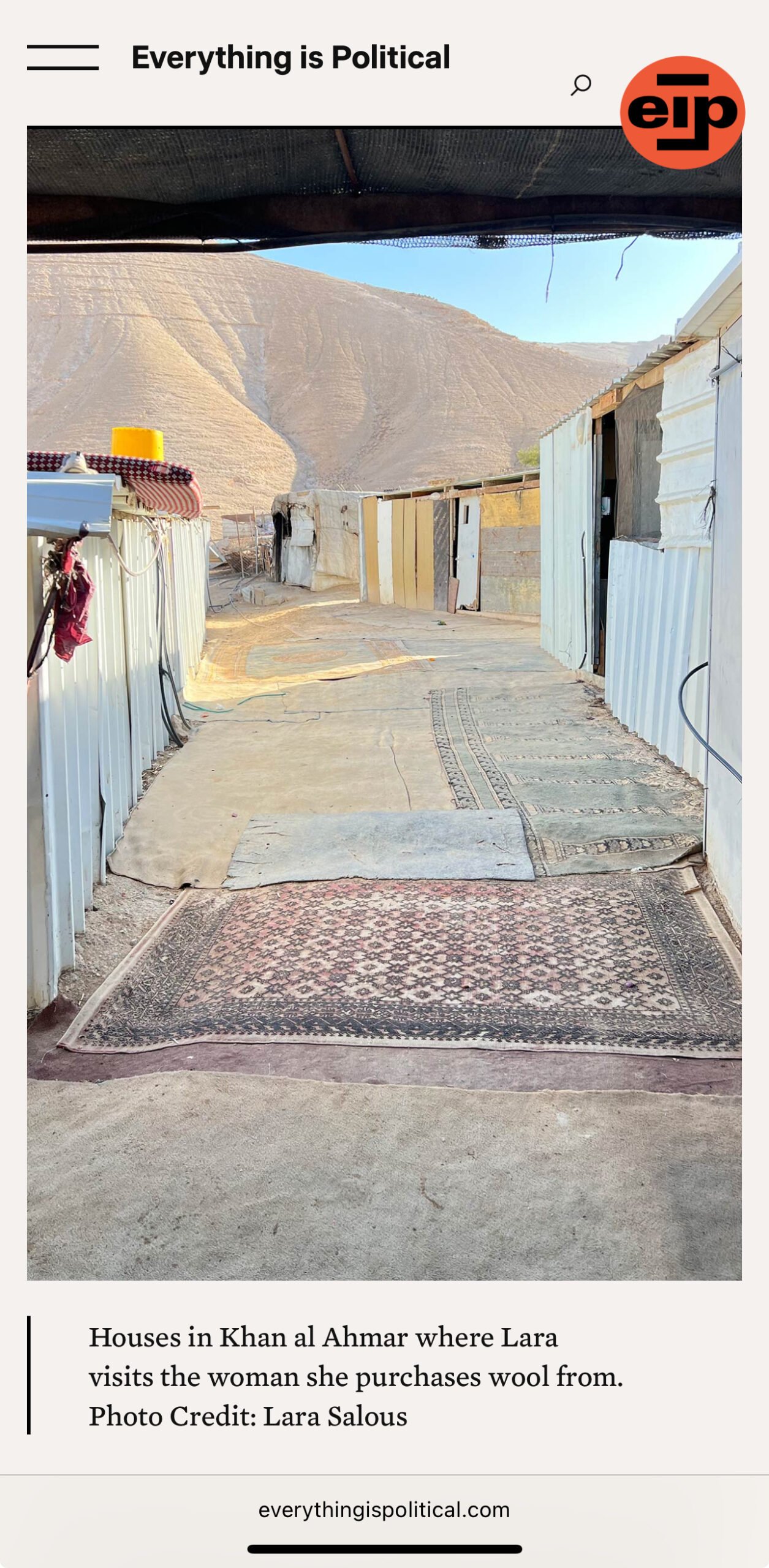
The artist’s journey with wool began with an encounter with Palestinian women at Khan al-Ahmar, a goverenarate of Jerusalem in 2020. From there, questions surrounding the absence of Palestinian rugs and wool evolved into forms of research exploring the material, design, and applied arts.
This page lists a collection of documented narratives by the artist, shared publicly with audiences.
Delve in The Making, the wool chair
The artist began researching Palestinian interiors, investigating and documenting the development of Palestinian furniture-making on 2018, where the straw stool held a prominent presence. An experimental redesign of the stool, incorporating wool as a material, emerged during a period in which she was exploring different materials and forms started to formulate on 2019.
on 2022 she wrote and publihed an article about the research at Tafseelah, Arab Urbanism online magazine titled: Wool Chair: Design as an Act of Memory in Palestine To read the full article online
Woolen contemplations,
A hand shears, A body narrates solo art exhibition
The journey continued through documenting processes of making and exploring artistic forms with wool, drawing on the geopolitical context of the Palestinian territories. Alongside this exploration, the artist presented the unrecorded and unspoken knowledge shared by women and shepherds, interwoven with her own reflections on the material. These narratives were documented and shared as written contemplations, forming part of her solo exhibition, A Hand Shears, A Body Narrates, at the Khalil Sakakini Cultural Center in 2025.
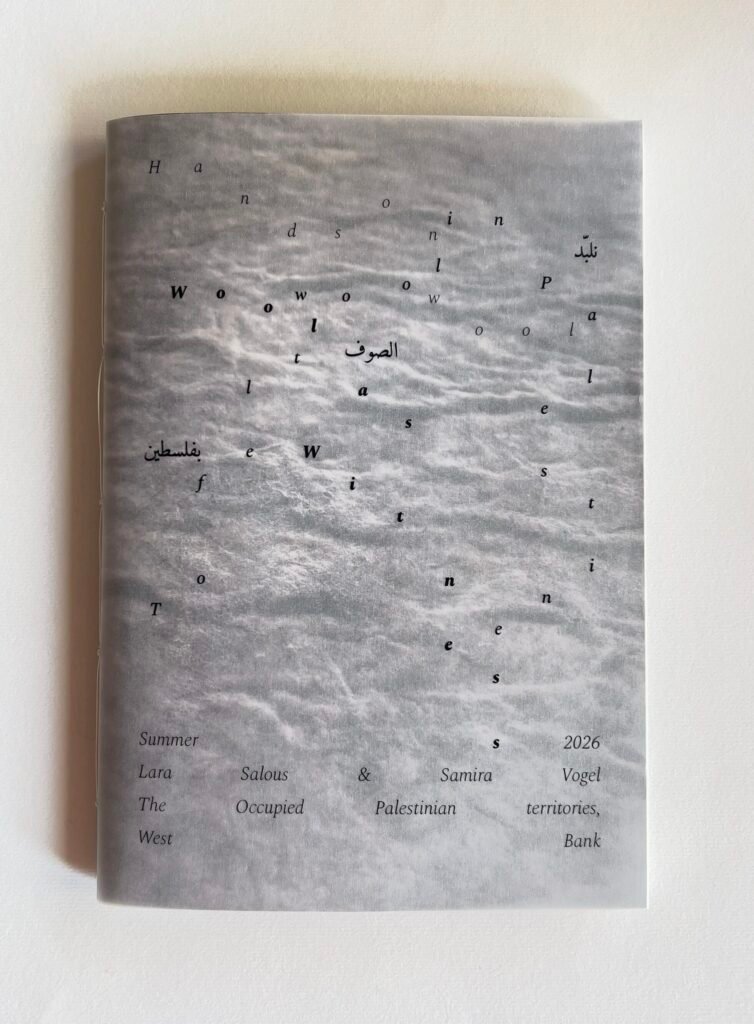
Wool as witness
A collaborative project funded by Pro Helvetia Cairo 2026, and Swiss artscouncil, realised through the publication of To Felt Wool in Palestine in 2026 and exhibiting of felt and woven artworks as part of the collective exhibition THINKING WITH HANDS, MINERVA in Rapperswil, Switzerland.
Living under Israeli occupation means facing daily challenges that directly affect both Palestinins, animals, and the landscape. Years followed the 7th October 2023, Israeli settler–herder groups have expanded across the West Bank, displacing Palestinian shepherds, destroying grazing routes, and forcing entire herding communities to abandon their villages. These assaults have led to the loss of flocks, livelihoods, and ancestral lands causing devastating continuity of Palestine’s rural wool economy.
Building on her encounters with the shepherding communities from whom she sources wool and dairy, the artist expanded investigation by conducting interviews with eleven shepherds in the occupied West Bank, documenting their testimonies of uprooting, displacement, and the confinement of their livestock in their homes.
The publication by both textile artists narrated these stories through a step-by-step process of making a felt wool piece, while bringing the wool and the traces of the land bear witness to the harsh conditions endured by Palestinians and their sheep.
Woolwoman With Community
Rooted in research, art, and design, Woolwoman seeks to restore the connection between wool, its origins in the land, and its place within our interiors. Working alongside shepherding families and incollaboration with civil society organisations, the practice cultivates a shared process of learning and exchange: learning from the communities’ embodied knowledge of wool and its traditions, while creating opportunities to revisit, share, and transmit these practices through weaving workshops and material exploration.
Sustained by a network of shepherding families across Palestine, from whom we source local wool and dairy products, Woolwoman works to maintain these relationships through material practice and public engagement. Through workshops, collaborative projects, and art exhibitions, the practice brings community knowledge and lived experiences into wider view, bearing witness to the Sumud of shepherds who face ongoing violence by armed Israeli settlers, including the prevention of grazing and the theft of their sheep.
Today, this living heritage is increasingly endangered by political violence and erasure, land seizures, and the deprivation of Palestinian shepherds’ access to grazing lands, alongside the restrictions imposed on farmers’ ability to cultivate their fields. Woolwoman works within these fragile connections between land, people, animals, and material knowledge, seeking to sustain the threads that bind them and keep the practices of wool alive across generations.
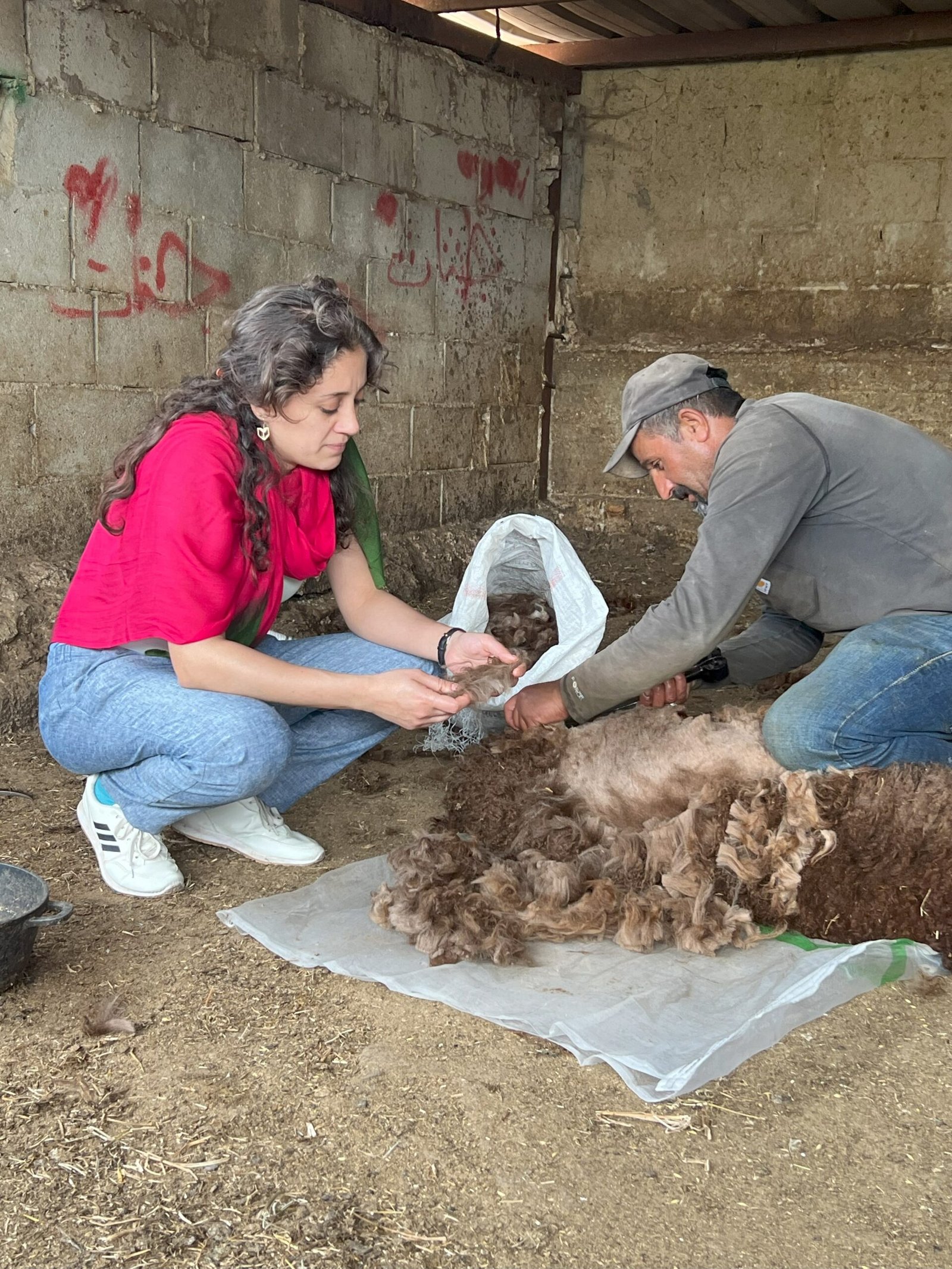
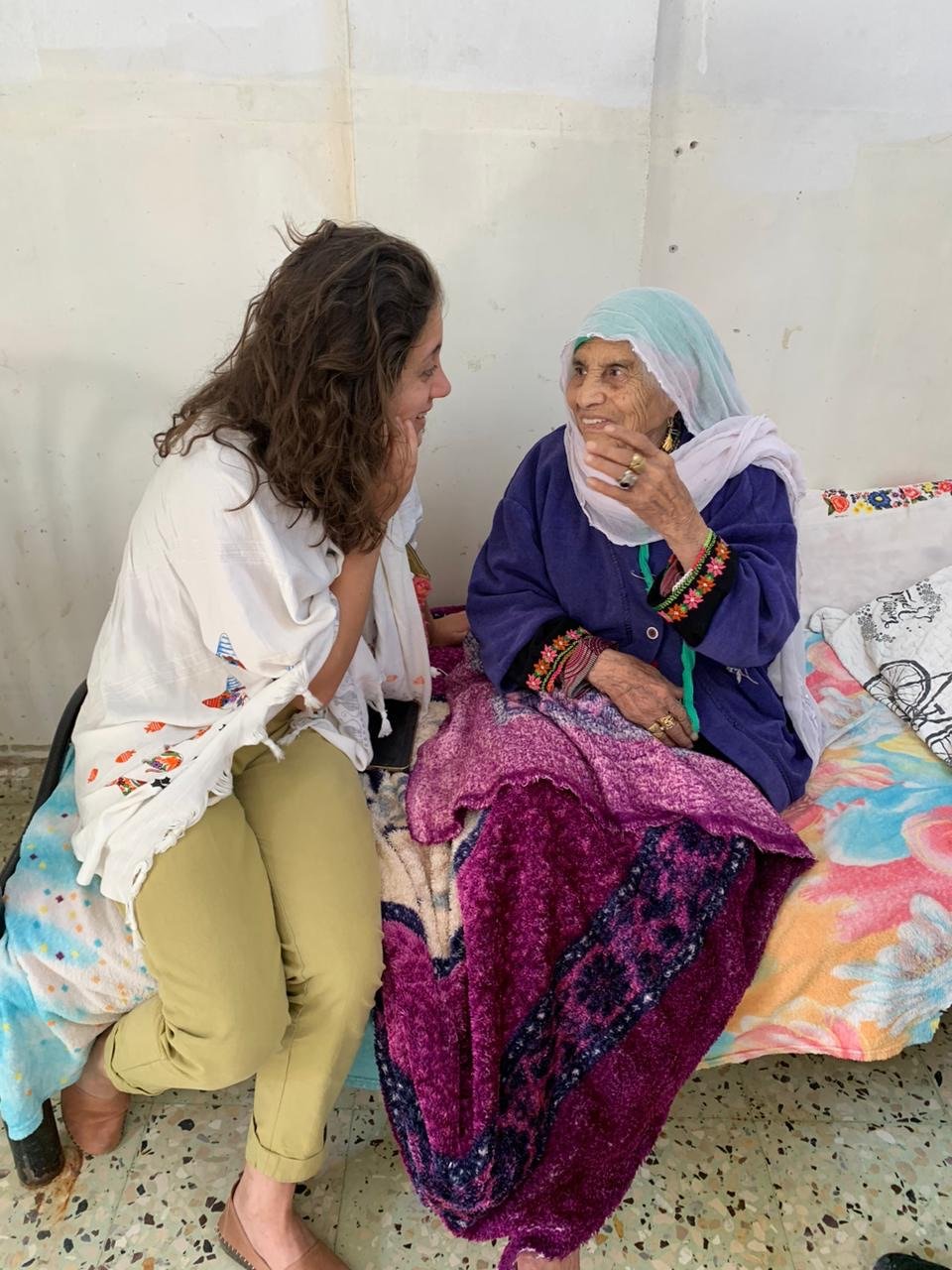
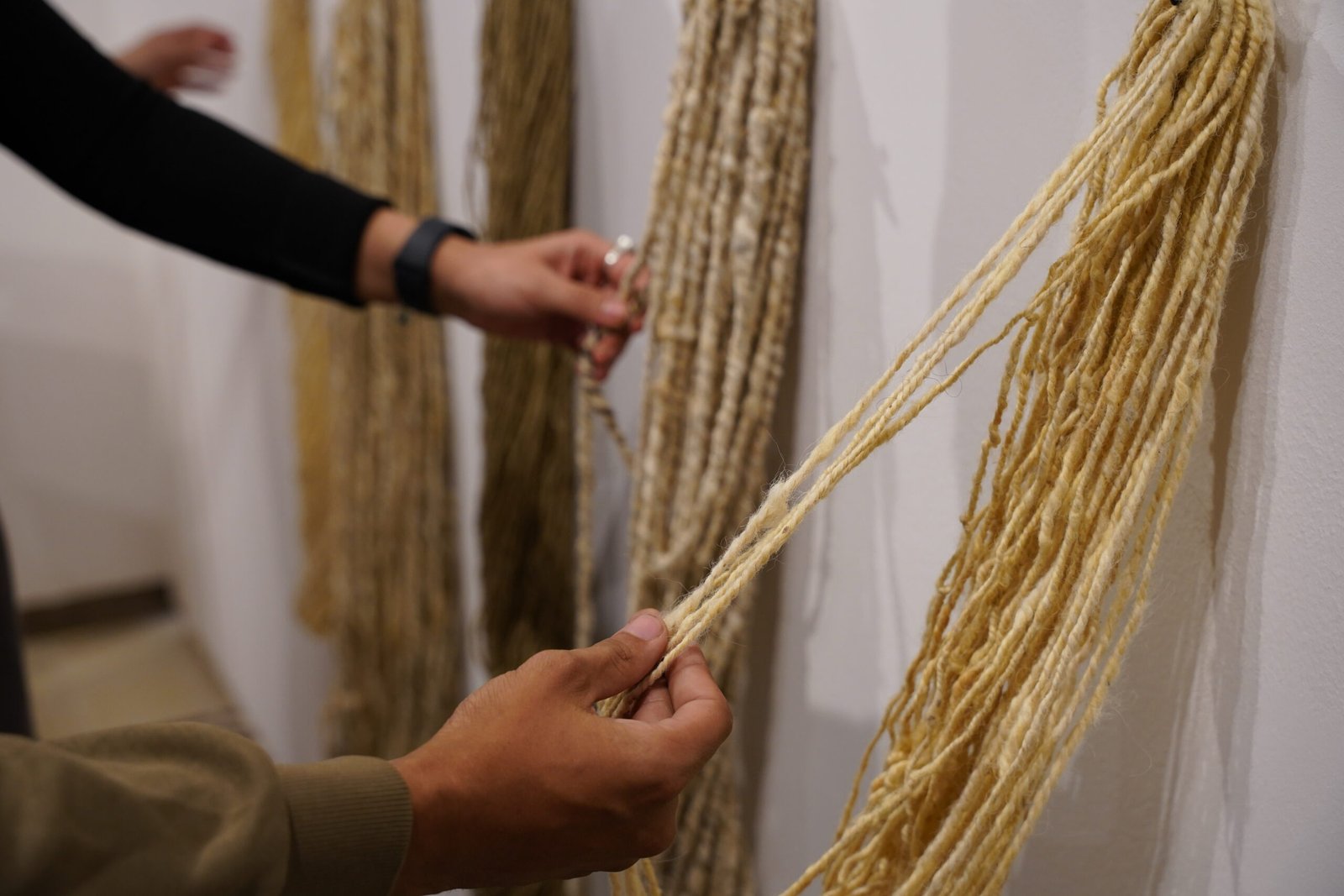
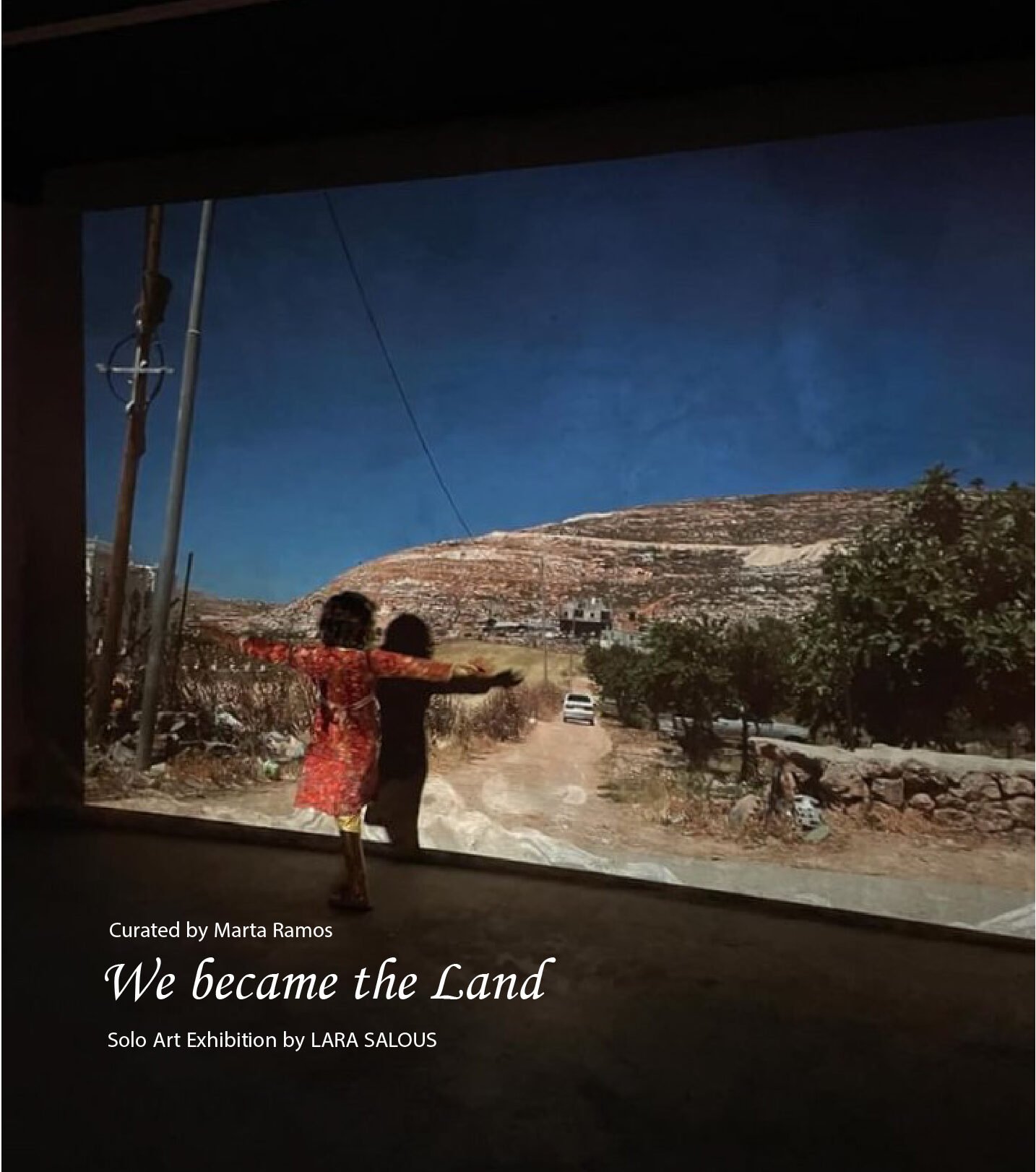
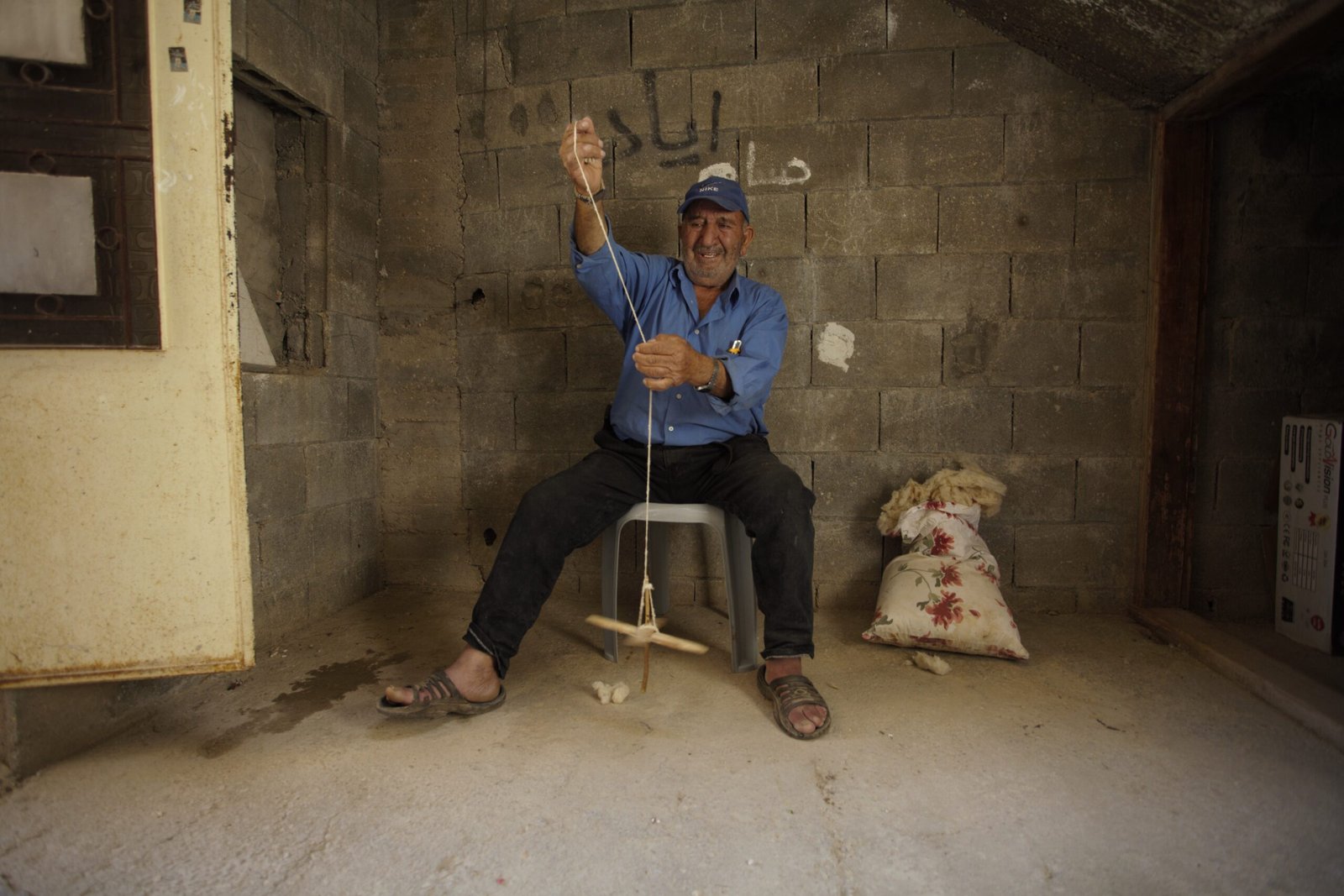
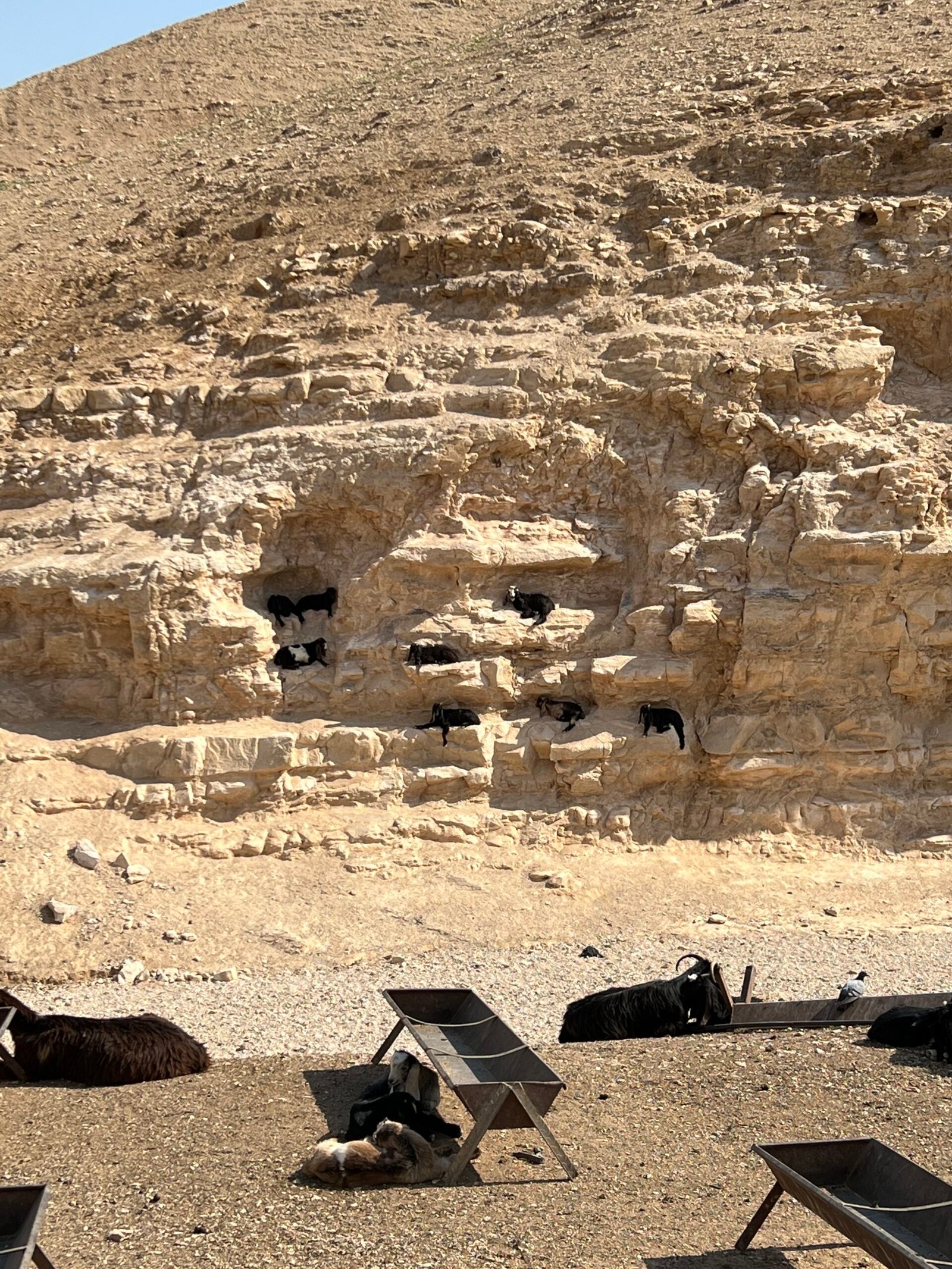
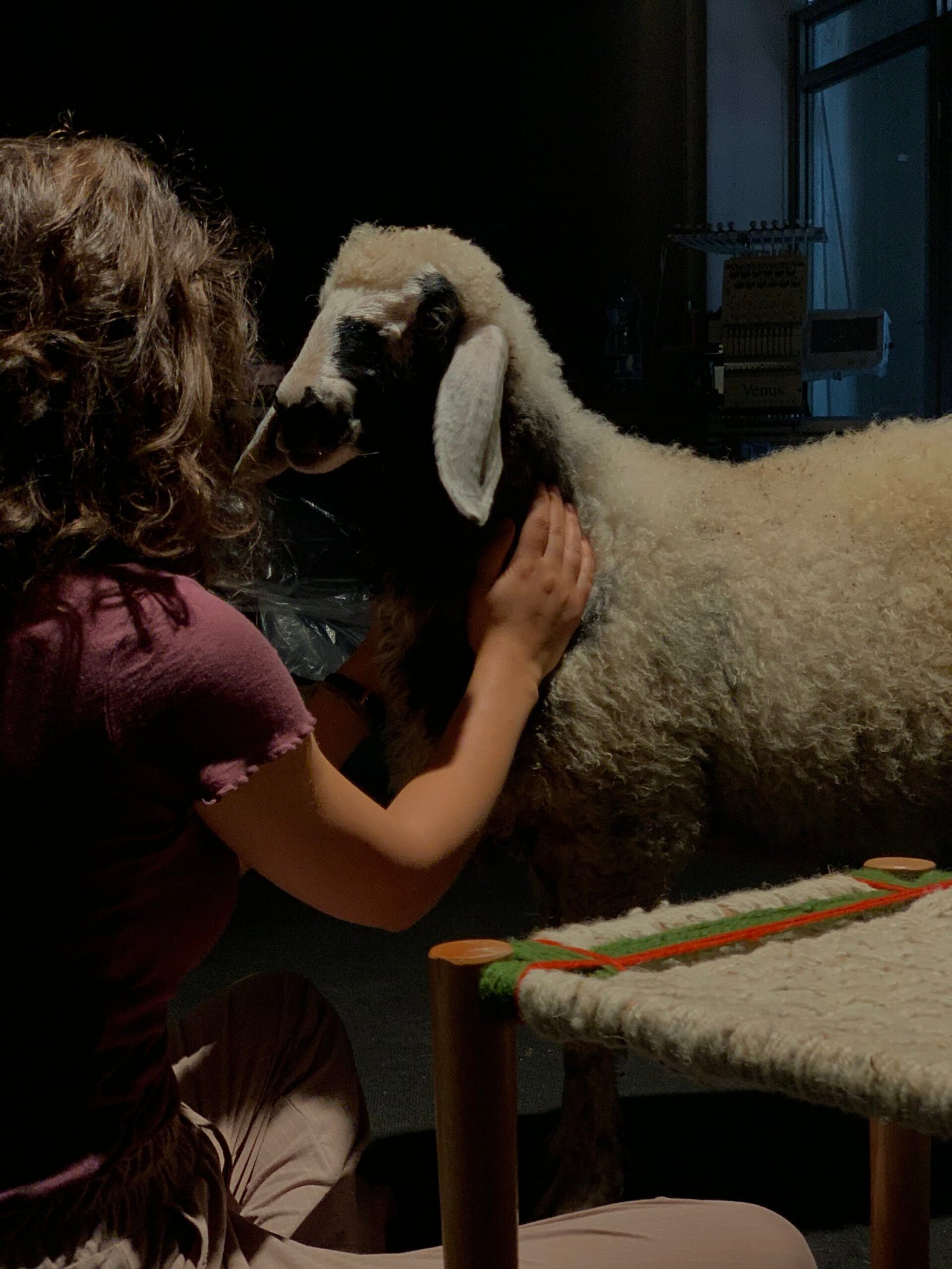
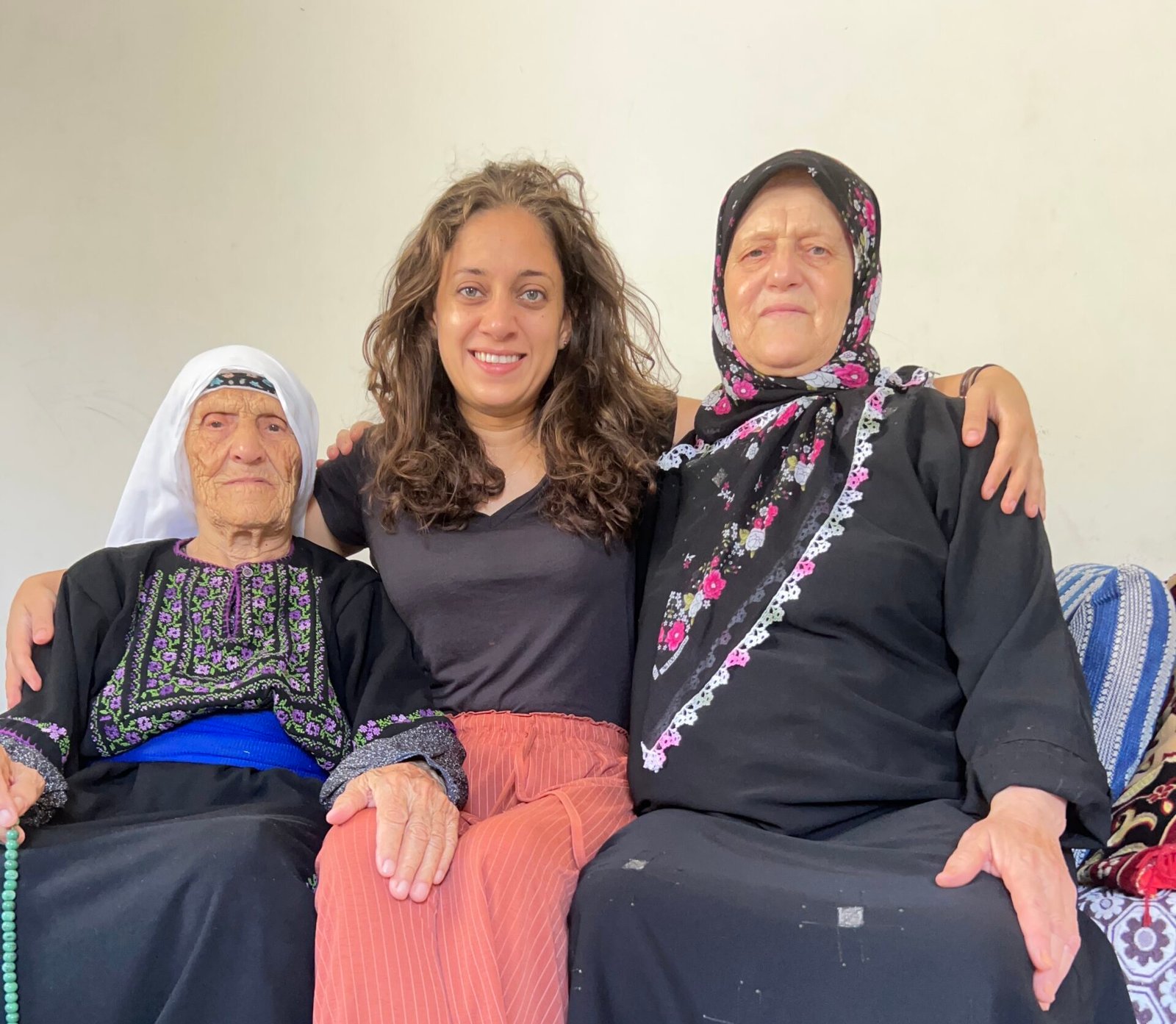
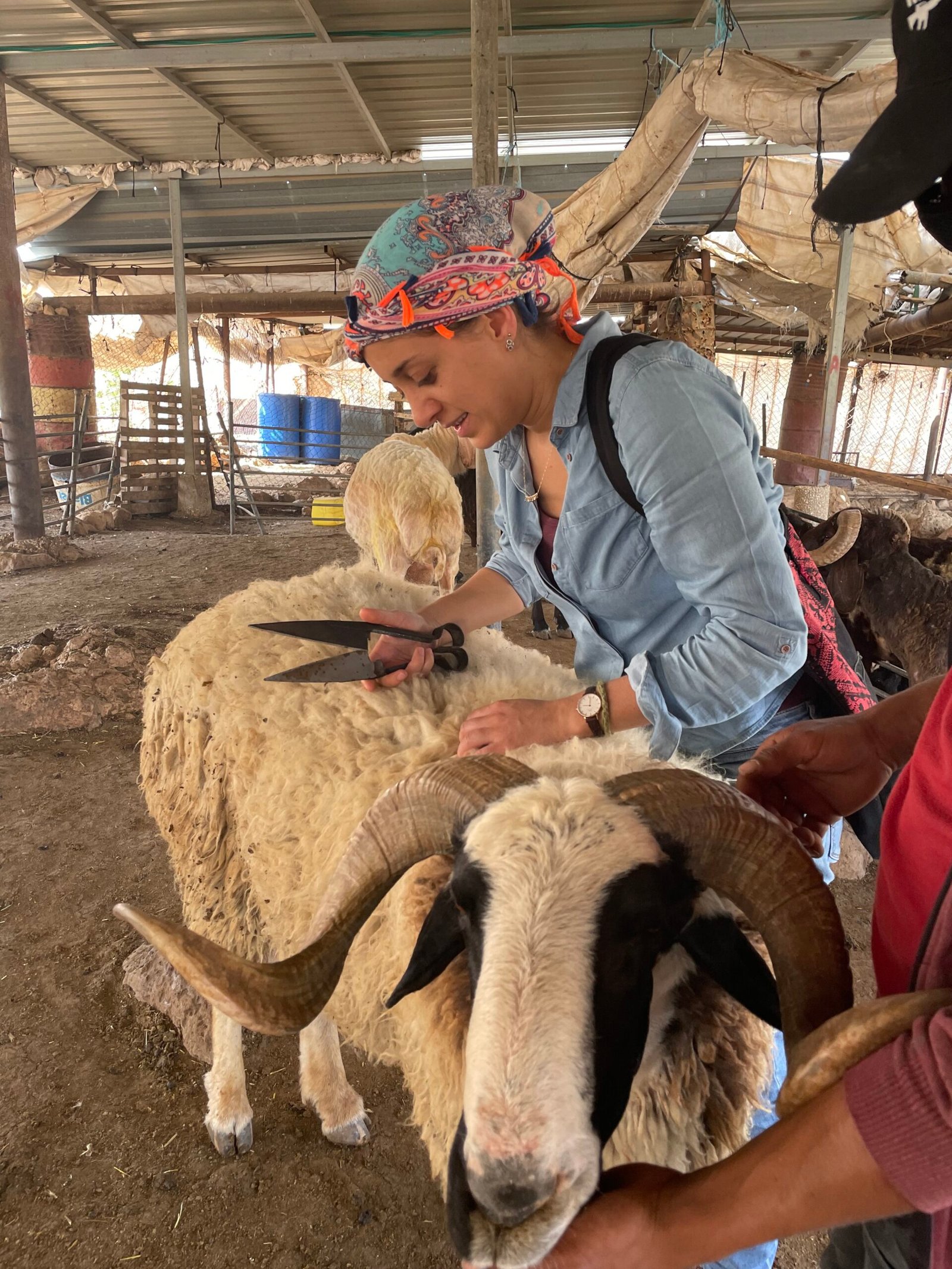
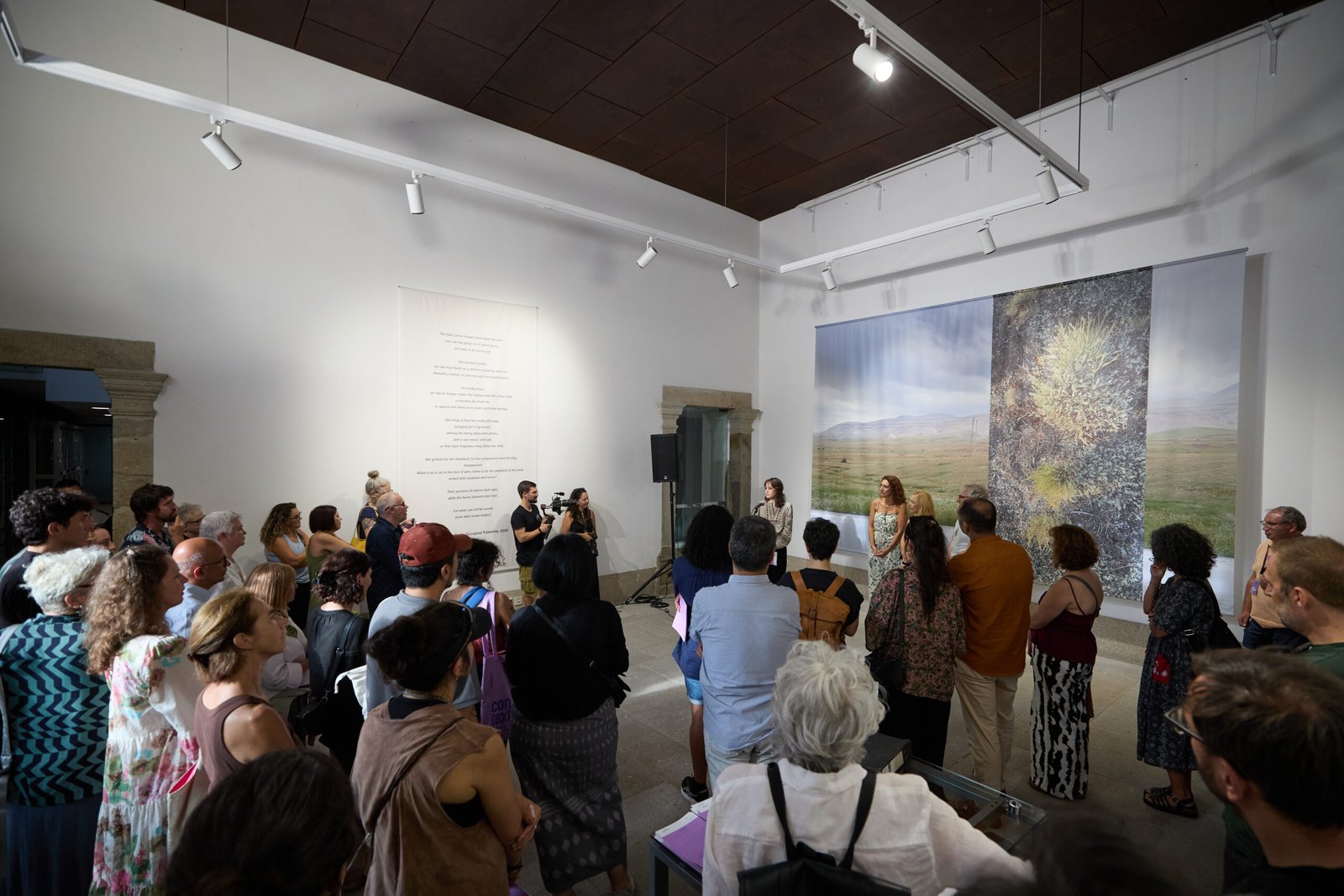
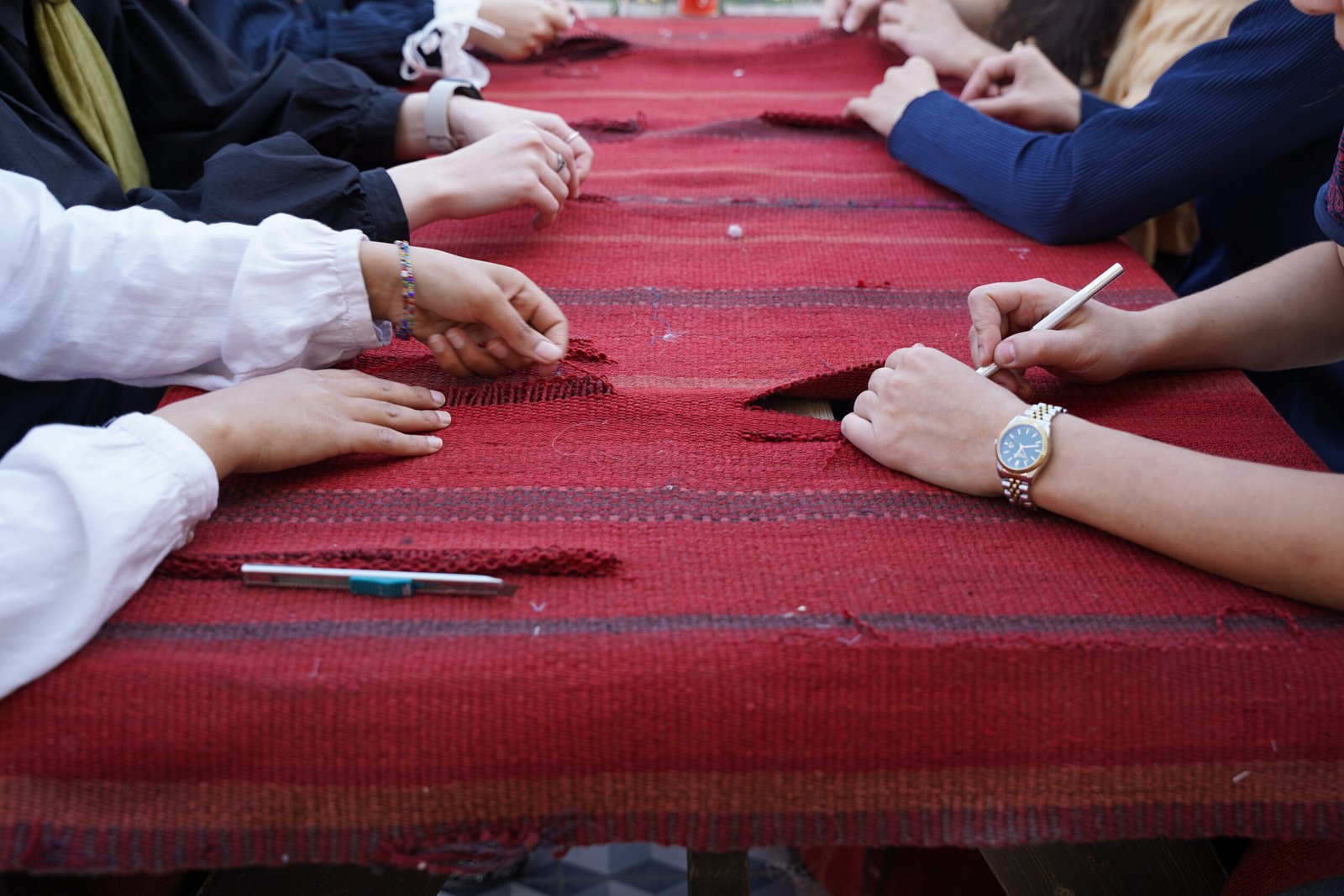
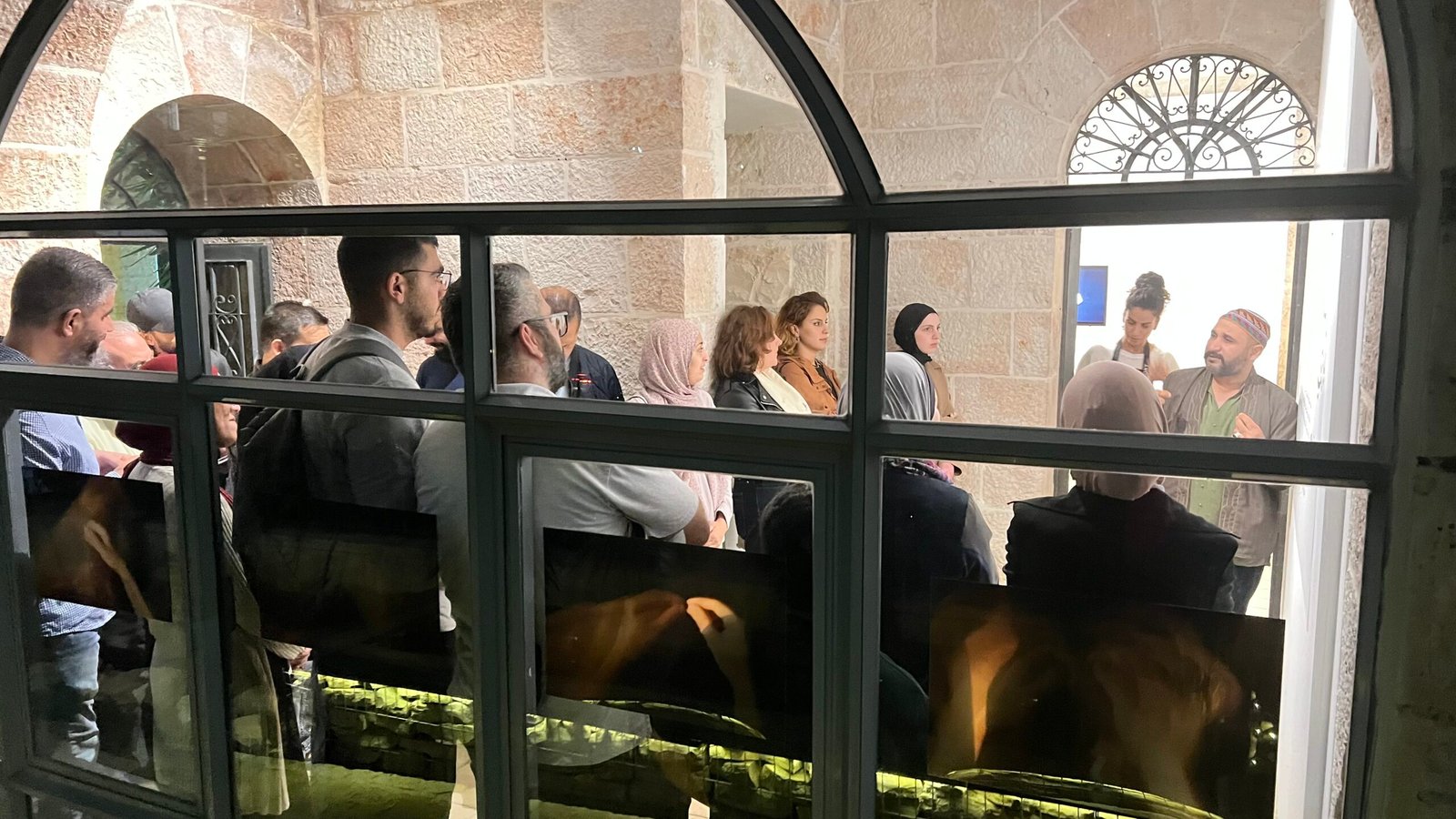
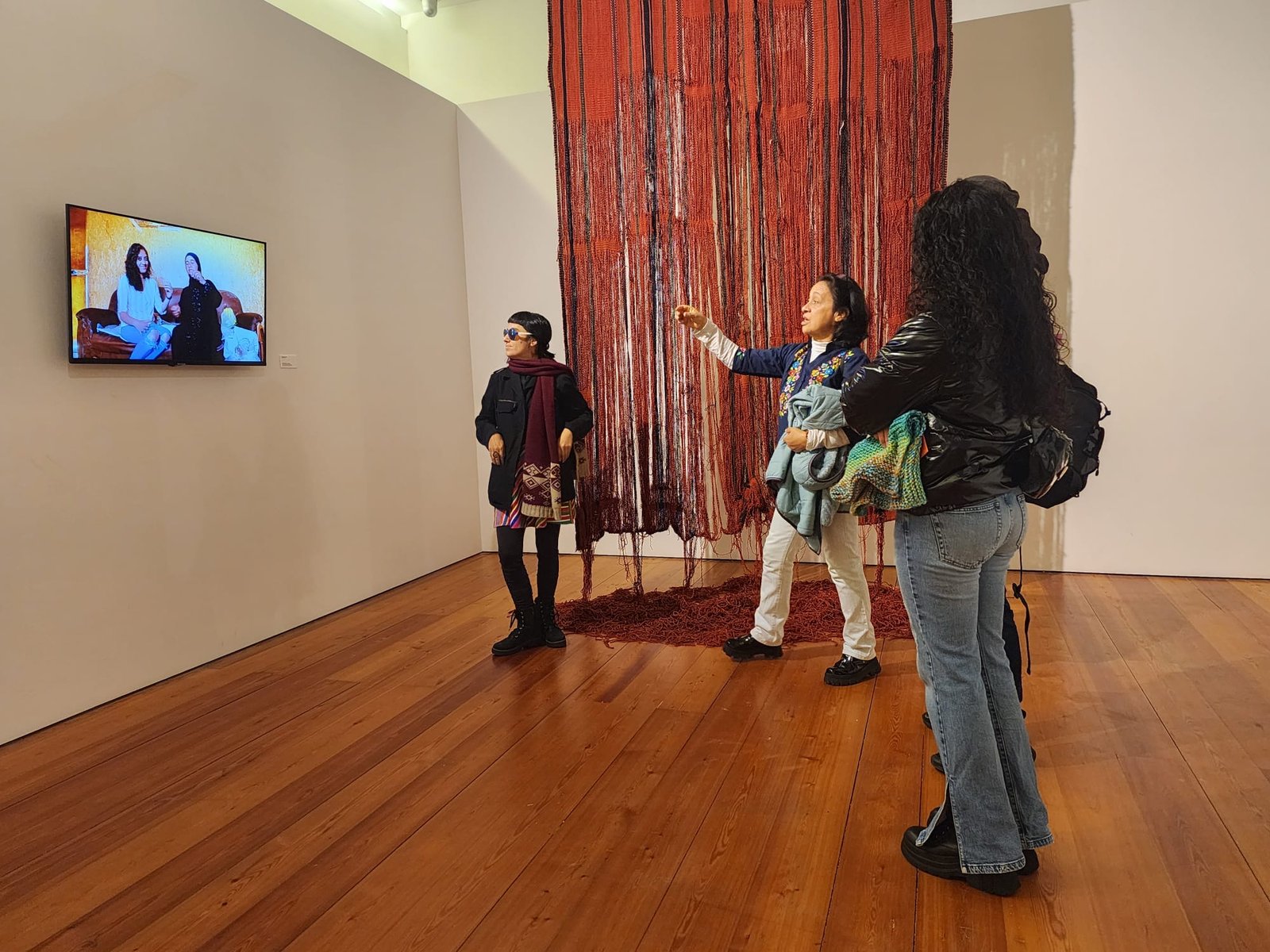
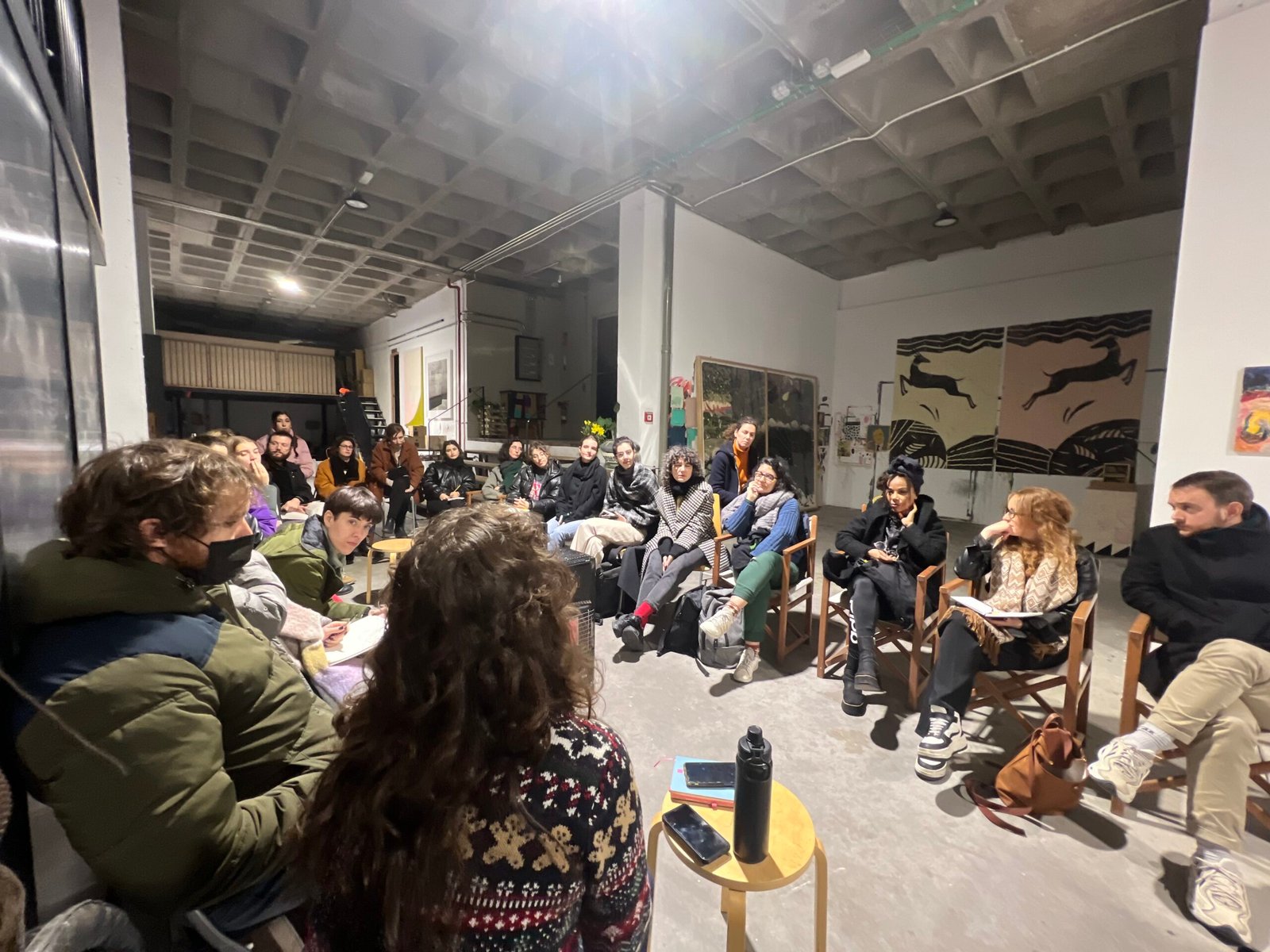
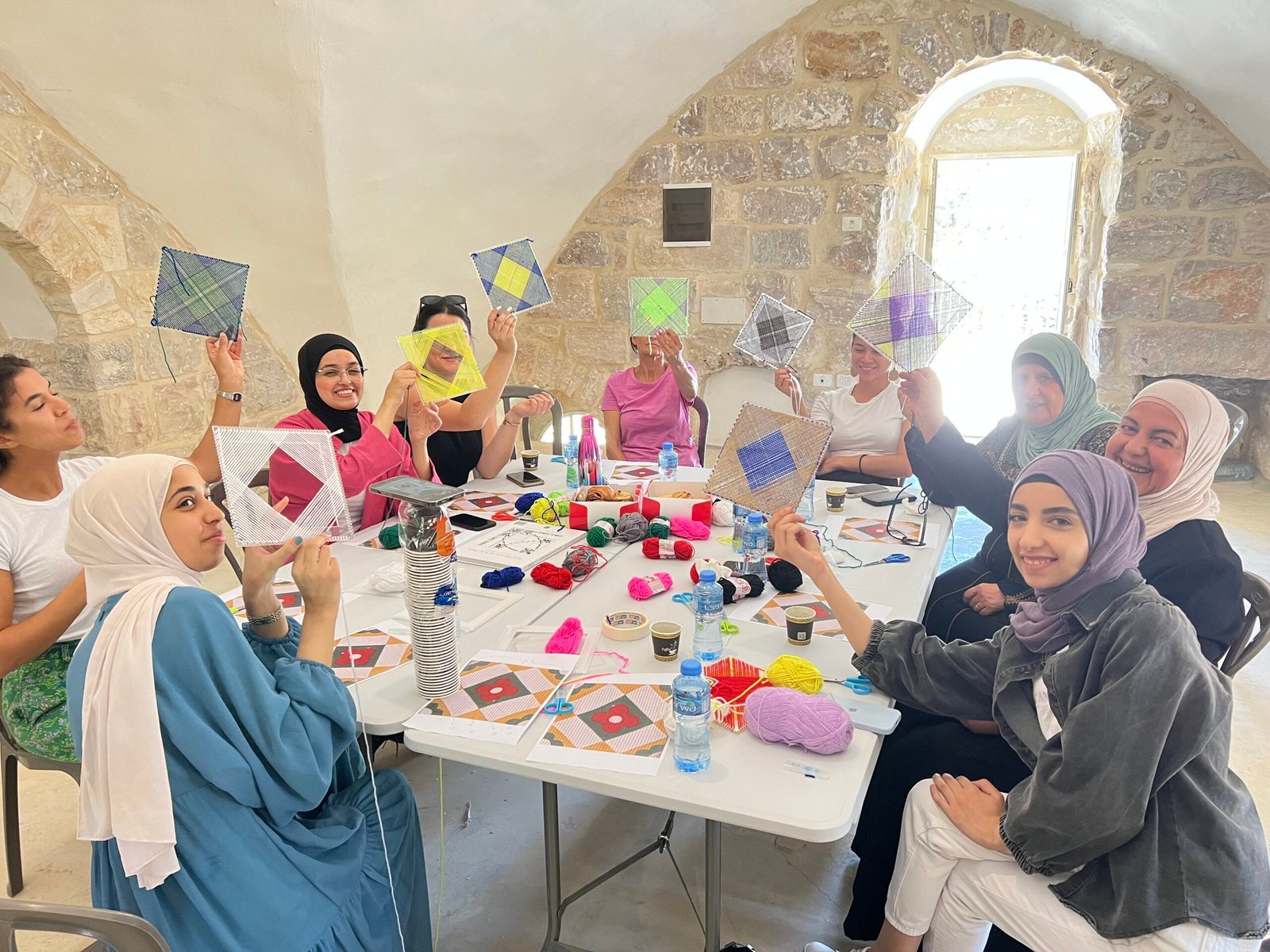
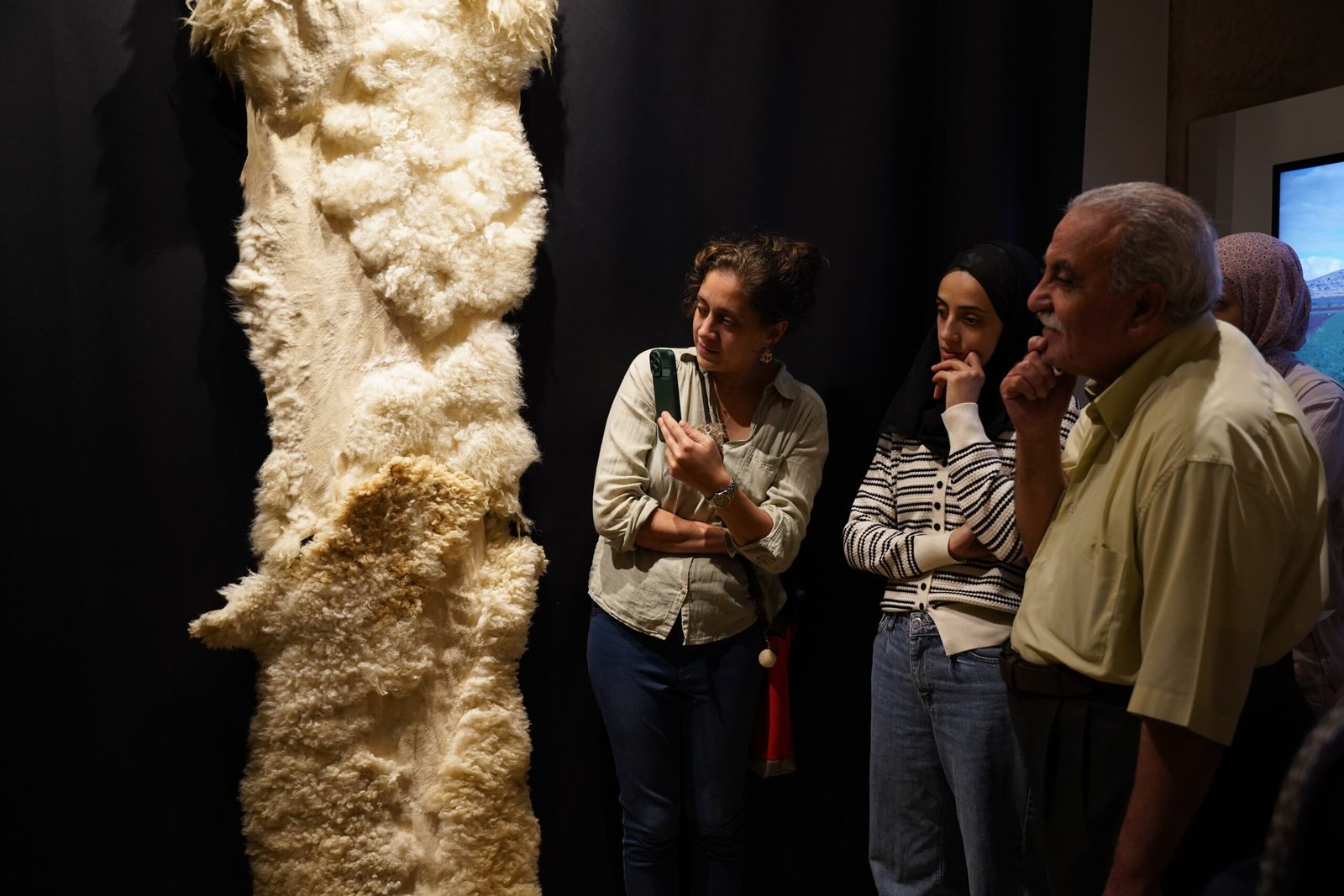
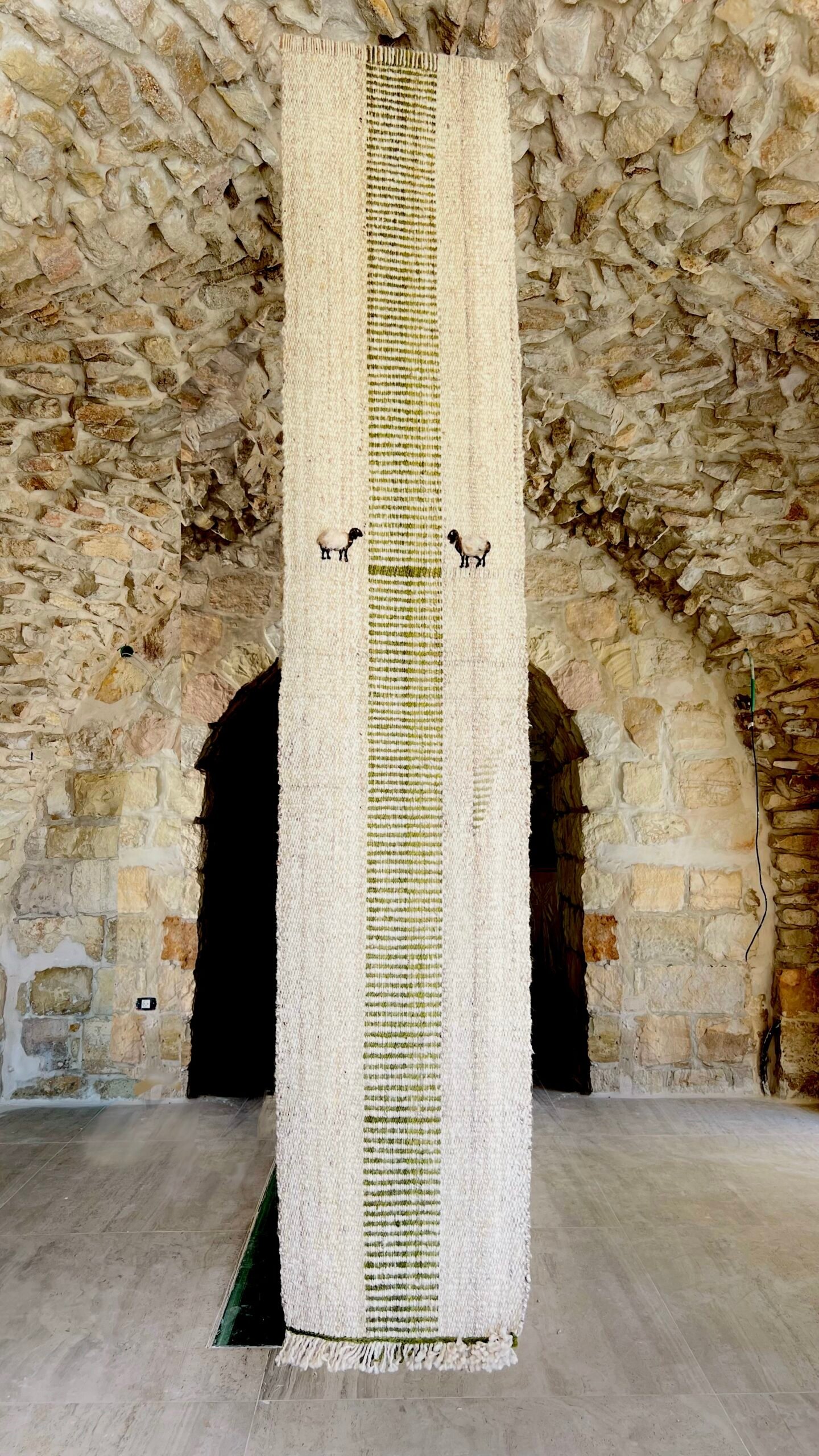
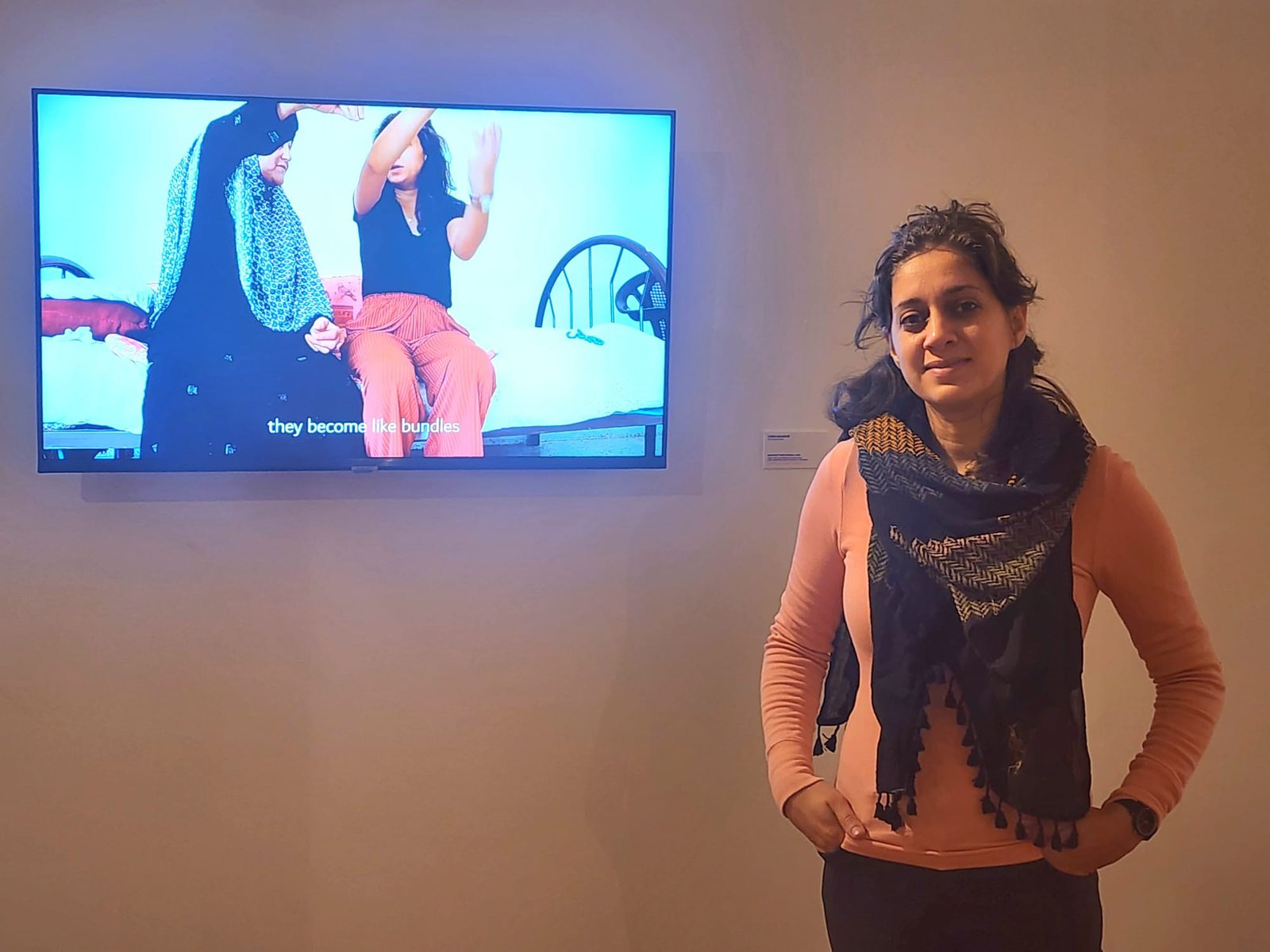
Woolwoman embodies the living continuity of a Palestinian artistic practice, with the artist working hand in hand with her community to cultivate an approach through which new generations can draw on local knowledge and carry it forward with responsibility and pride.
Lara Salous
About the Founder
Lara Salous’s practice moves between architecture, material research, and socially engaged art, tracing the contemporary use of raw wool and traditional textiles in Palestinian interiors. Her practice unfolds through tactile inquiry into wool as both material and method, as a site where collective gestures, ecological memory, and oral traditions come together. What began as an encounter with a Bedouin weaving community in 2020 has extended into a broader consideration of how heritage crafts persist, transform, or fade under shifting cultural and political conditions.
Through self-initiated research and material experimentation, she probes wool’s layered historical, ecological, and political entanglements, asking what forms of knowledge, care, and belonging might be carried through its threads. Holding Architecture degree from Birzeit University and Interior Design Master Degree from the University of Westminster, UK. Lara exhibits internationally, proposing new narratives for textile-making as a vessel for memory, land, and identity.
Recent Achievements; The artist received JILA First Award in Architecture and Built Environment, University of Westminster, UK, 2018. First Honourable Mention at Contextile, Portugal, 2024. Acquisition of artwork Around Their Hands by Museo Reina Sofía, Spain, 2025.
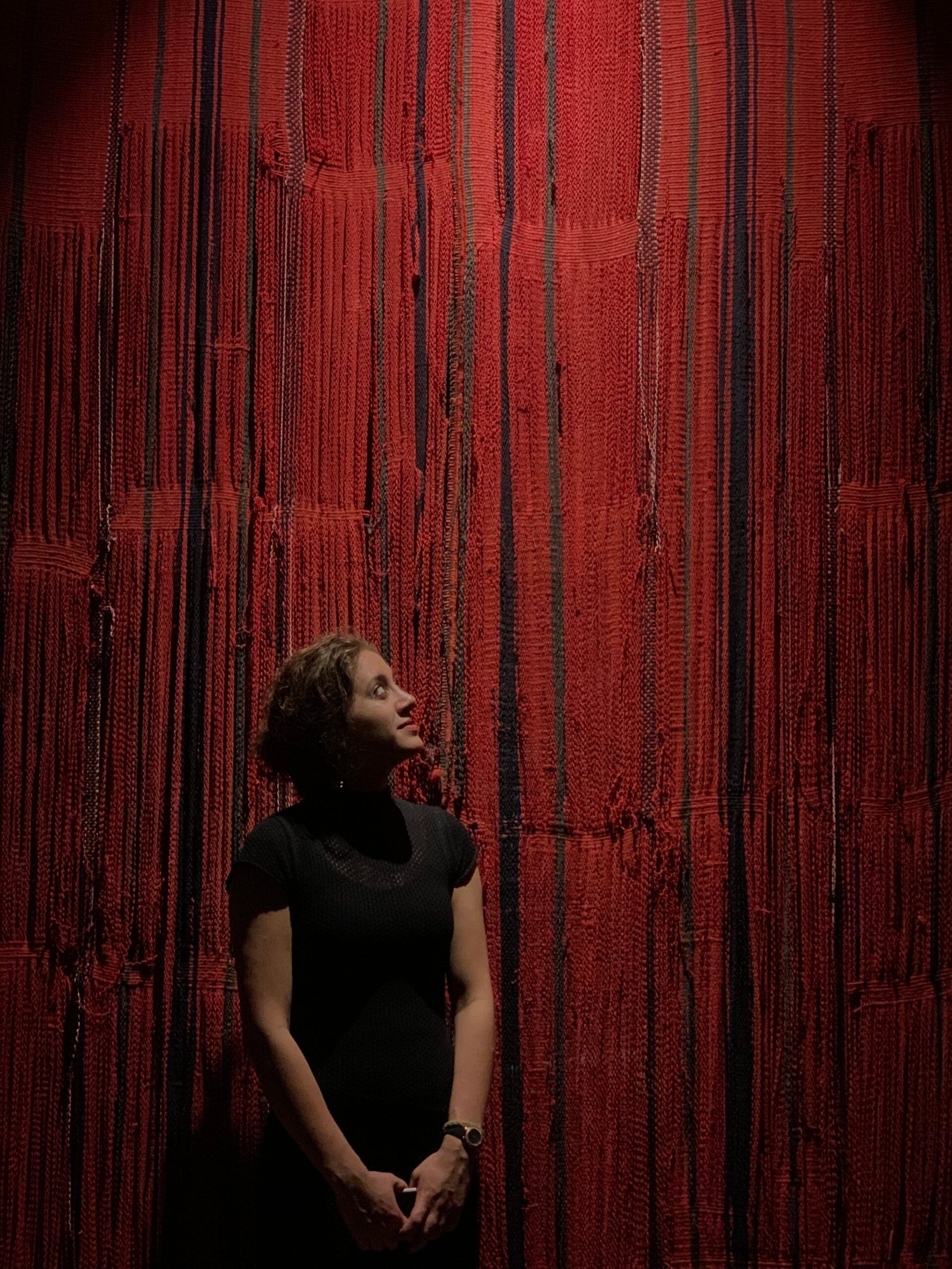
Photo Credit, Abdallah Mutan, 2023.