ABOUT WOOLWOMAN
Woolwoman is a Palestinian brand rooted in craft, land, and community. We create unique handmade furniture and textile designs using organically hand-spun, hand-woven wool. Our work grows through collaborations with women in marginalised areas across the Occupied Palestinian Territories, reviving endangered wool practices and strengthening local economies shaped by herding and rural knowledge.
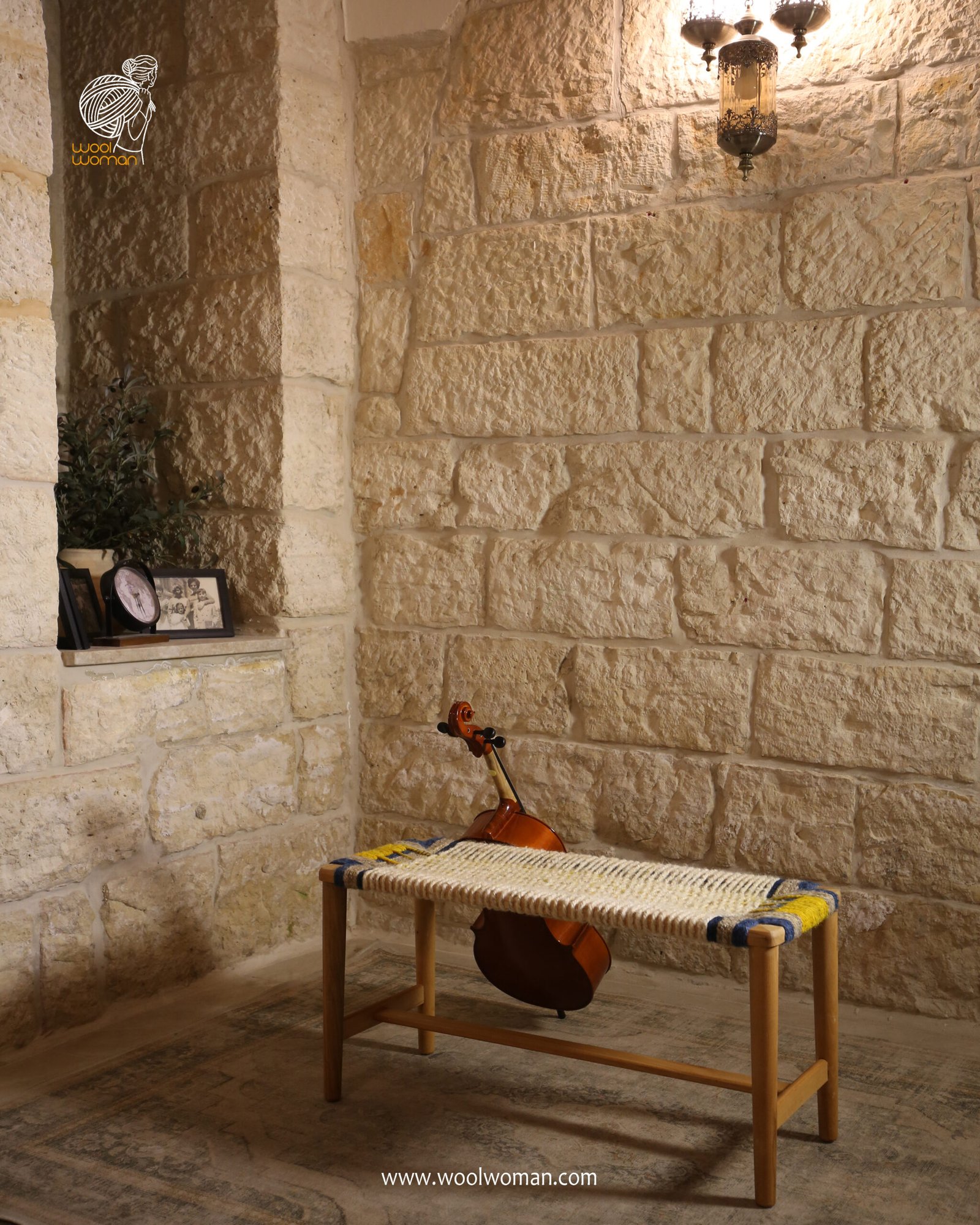
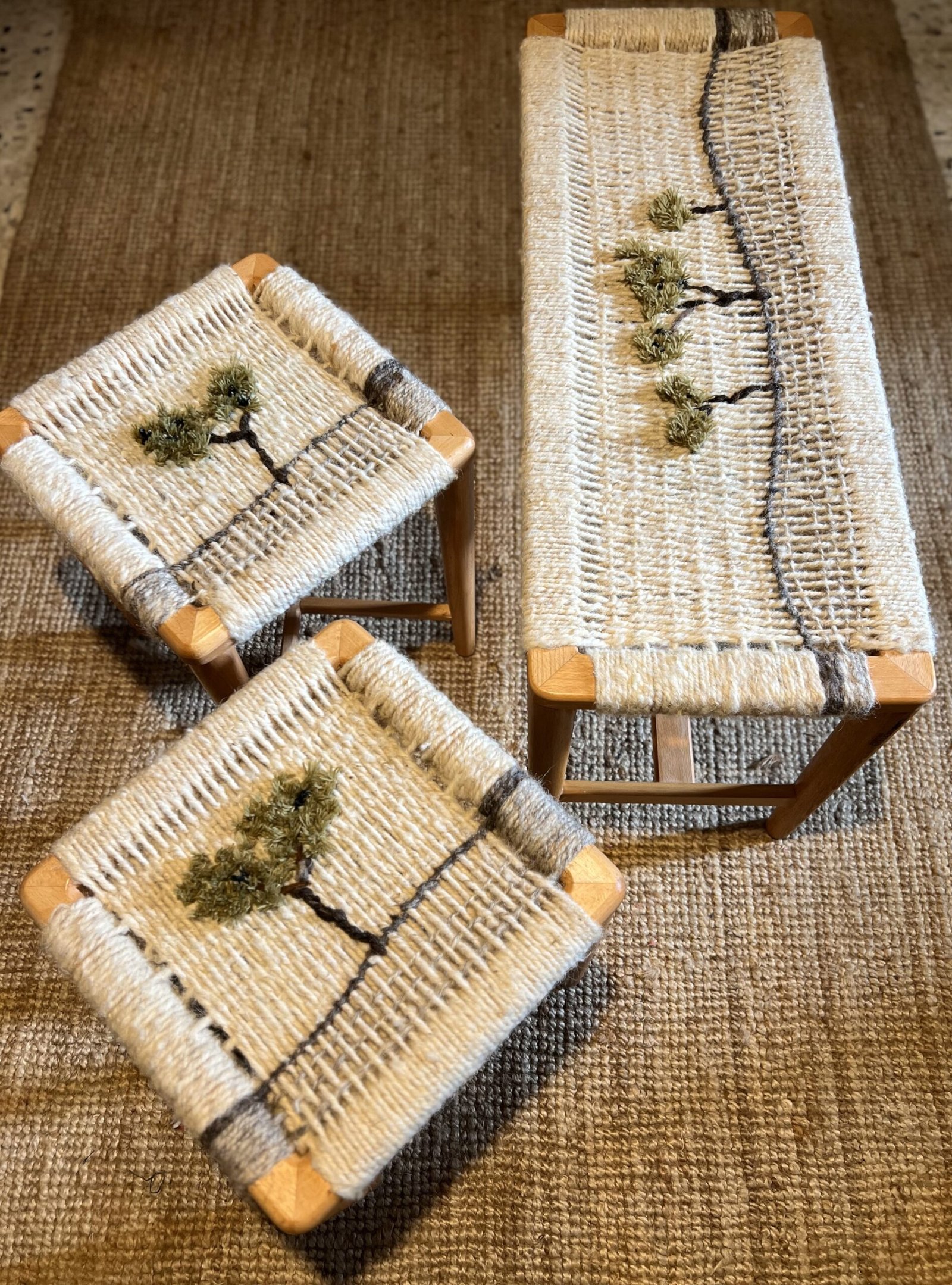
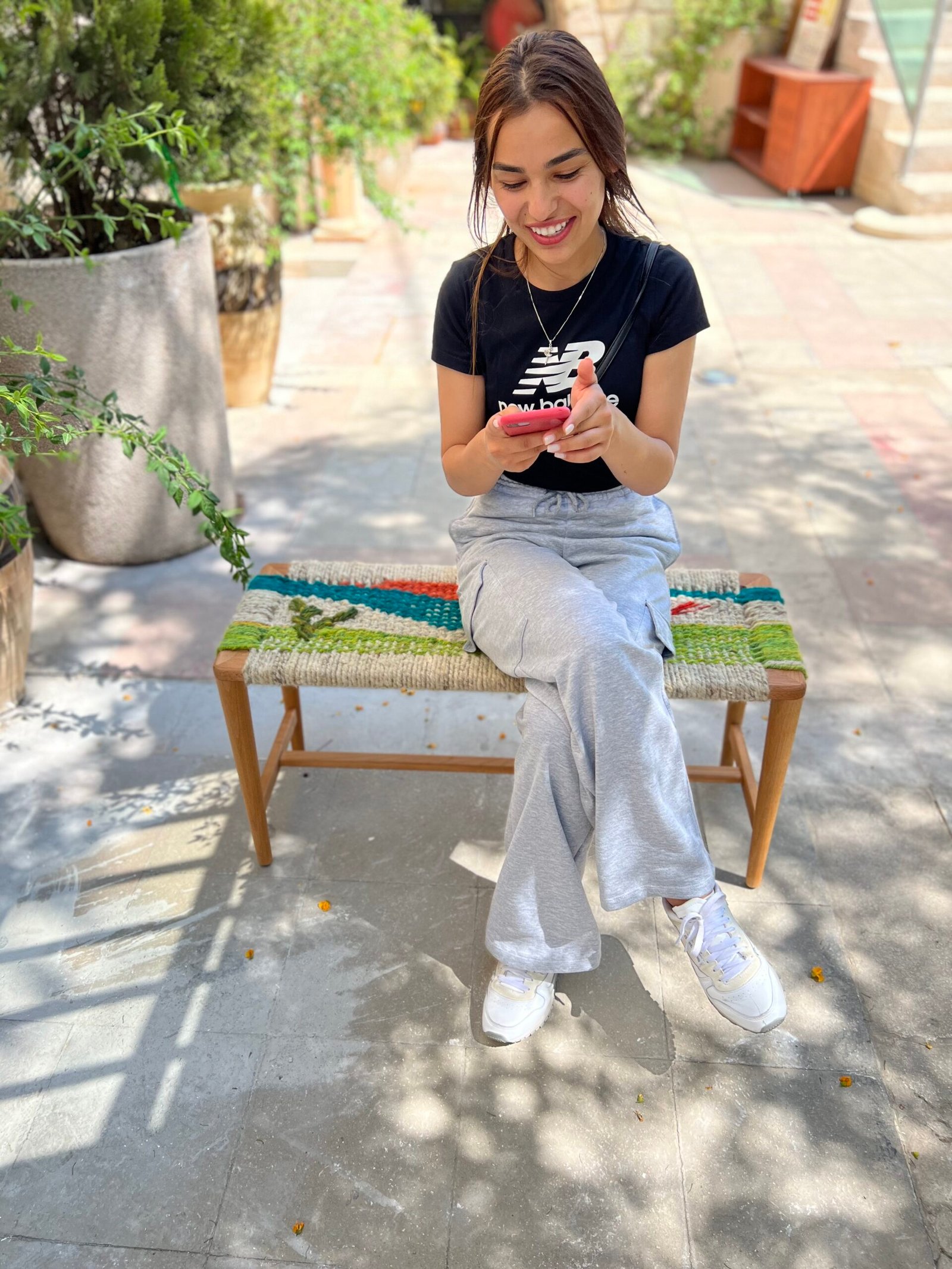
At Woolwoman, we rethink the materiality of wool by bringing ancestral techniques into conversation with contemporary design in Palestine and the wider Arab region. Every piece is carefully woven using patterns inspired by the deep heritage of Palestinian rugs, landscapes, and motifs, crafted for strength, longevity, and meaningful presence. Made entirely from organic, hand-spun wool and naturally dyed, our creations carry the warmth of the land, the stories of its people, and a living continuity of Palestinian craftsmanship.
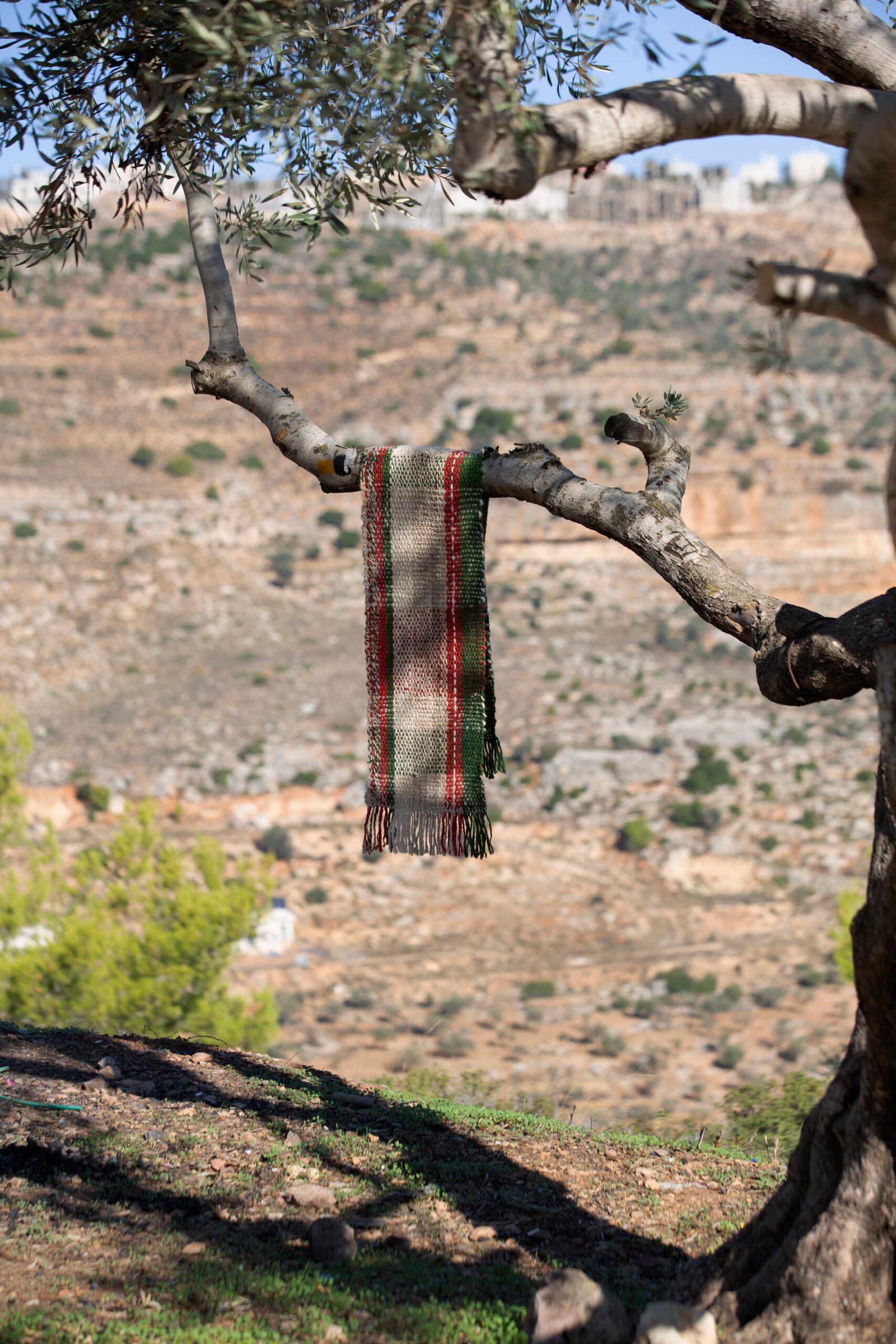
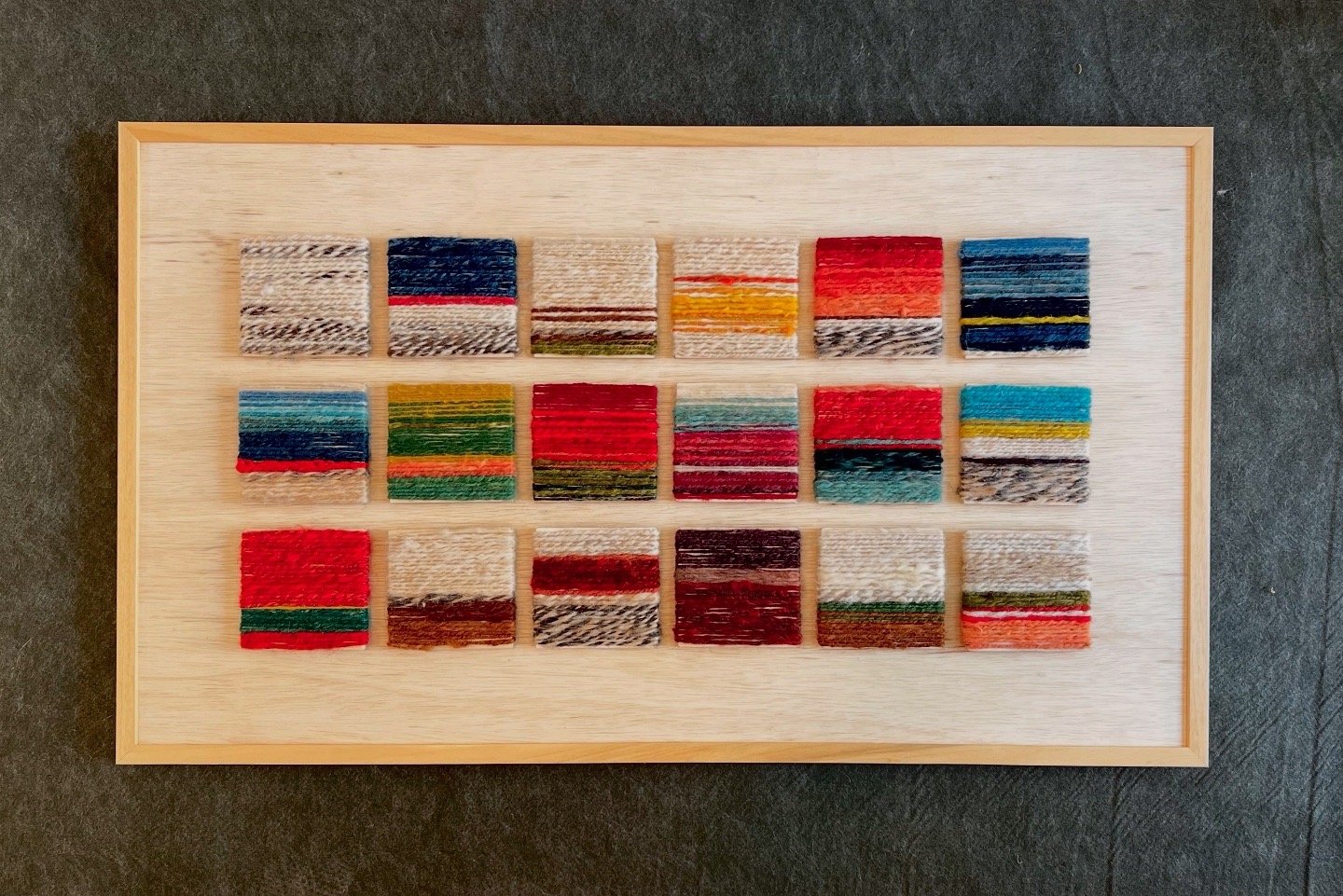
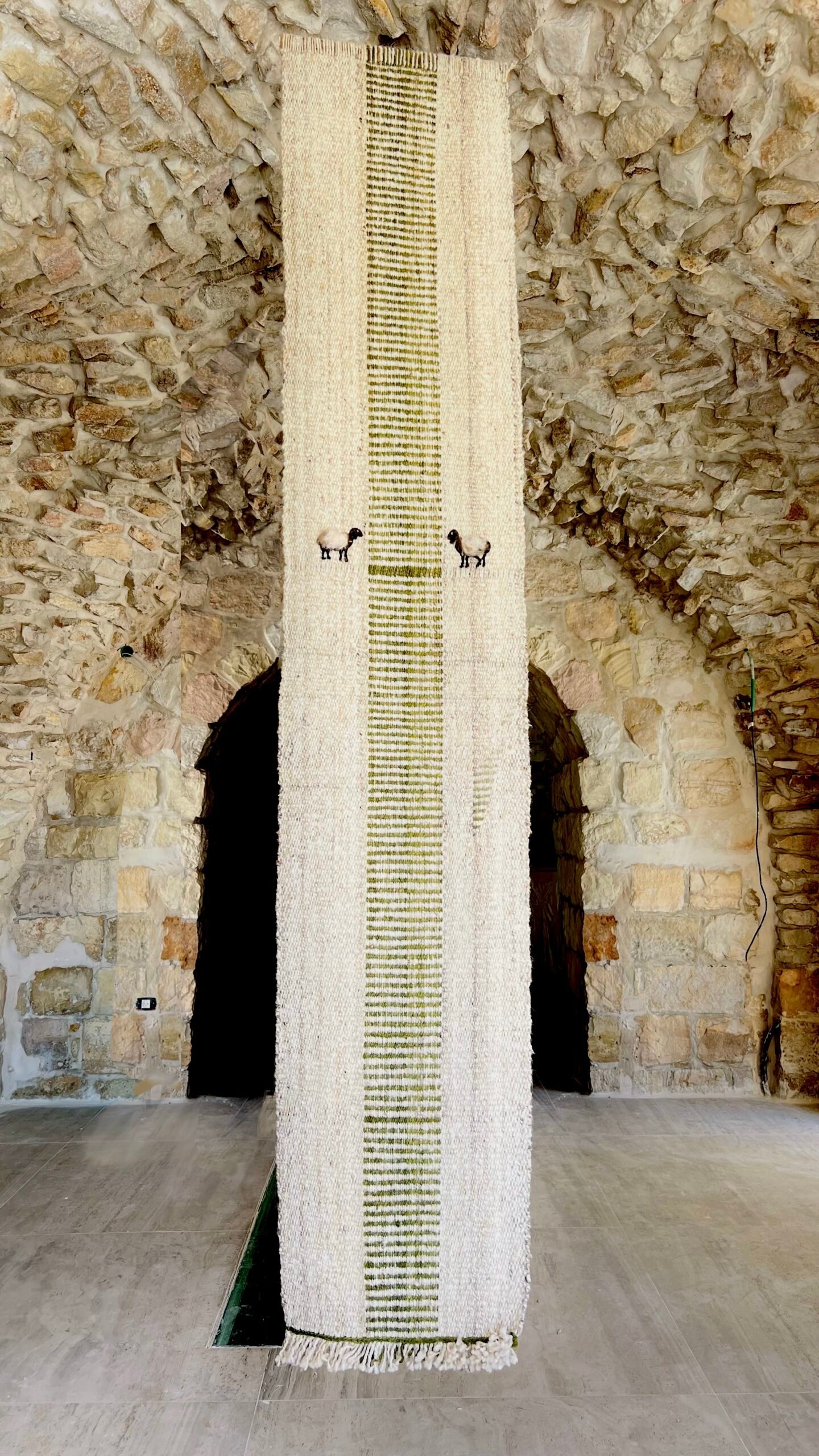
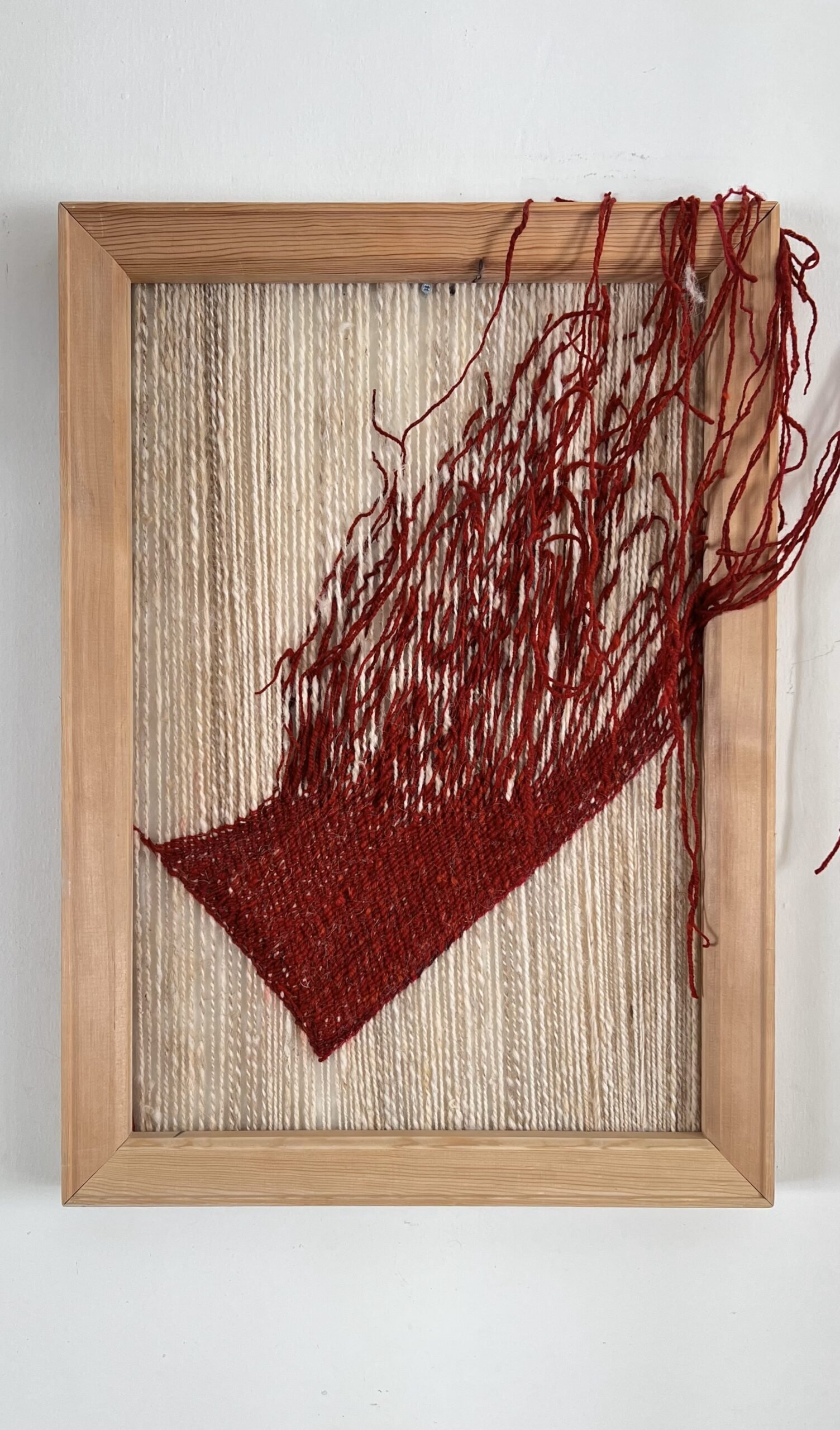
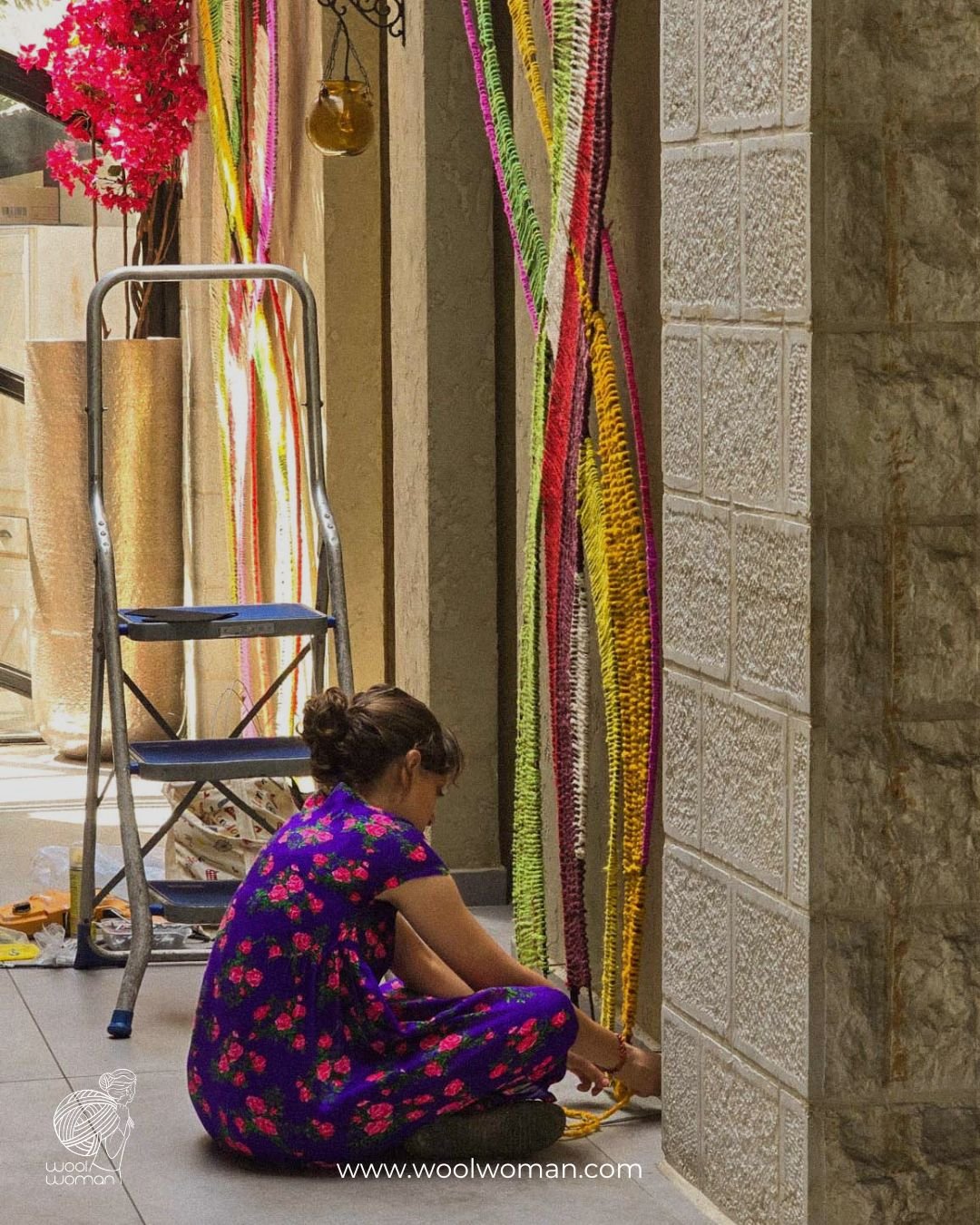
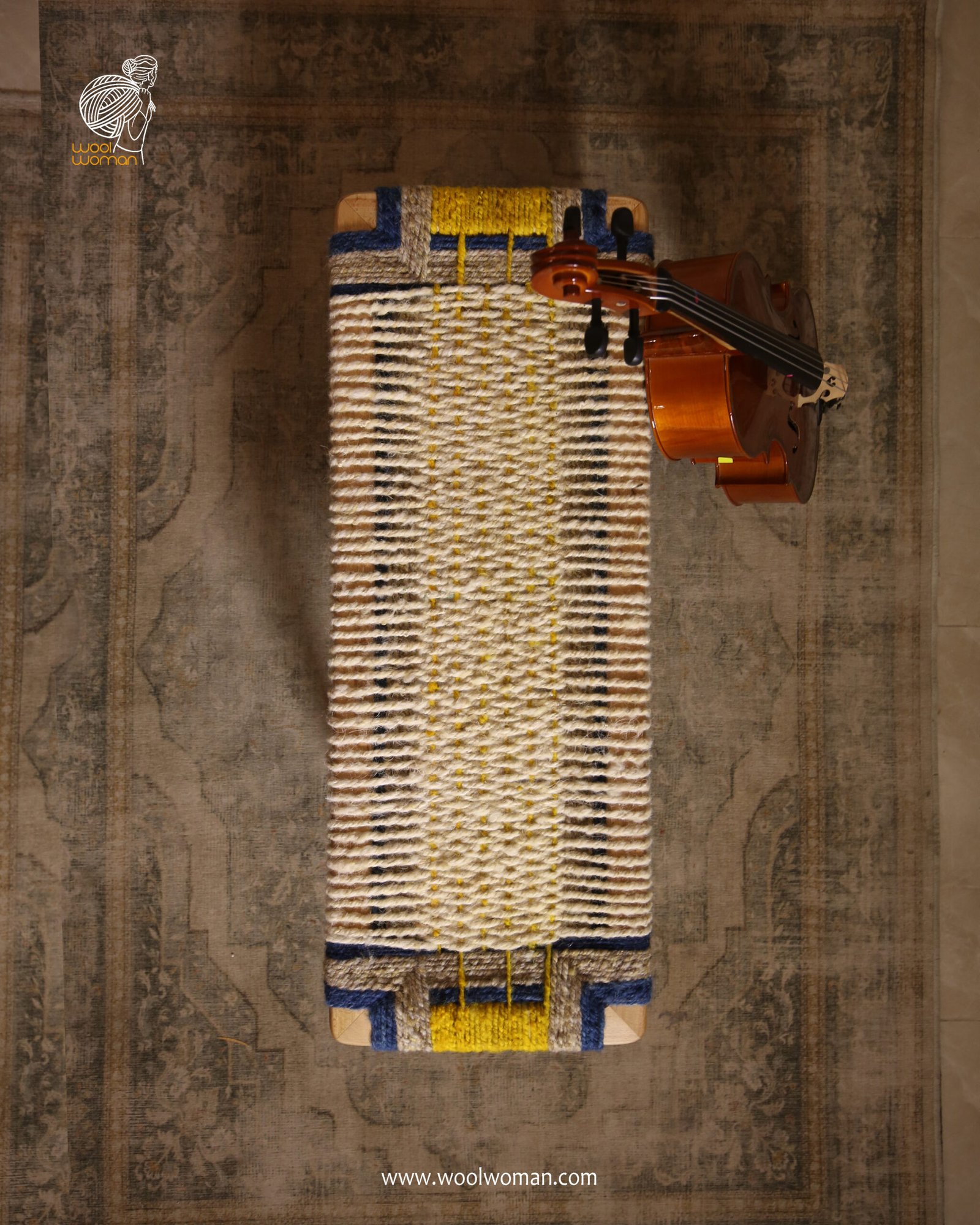
The Making Process
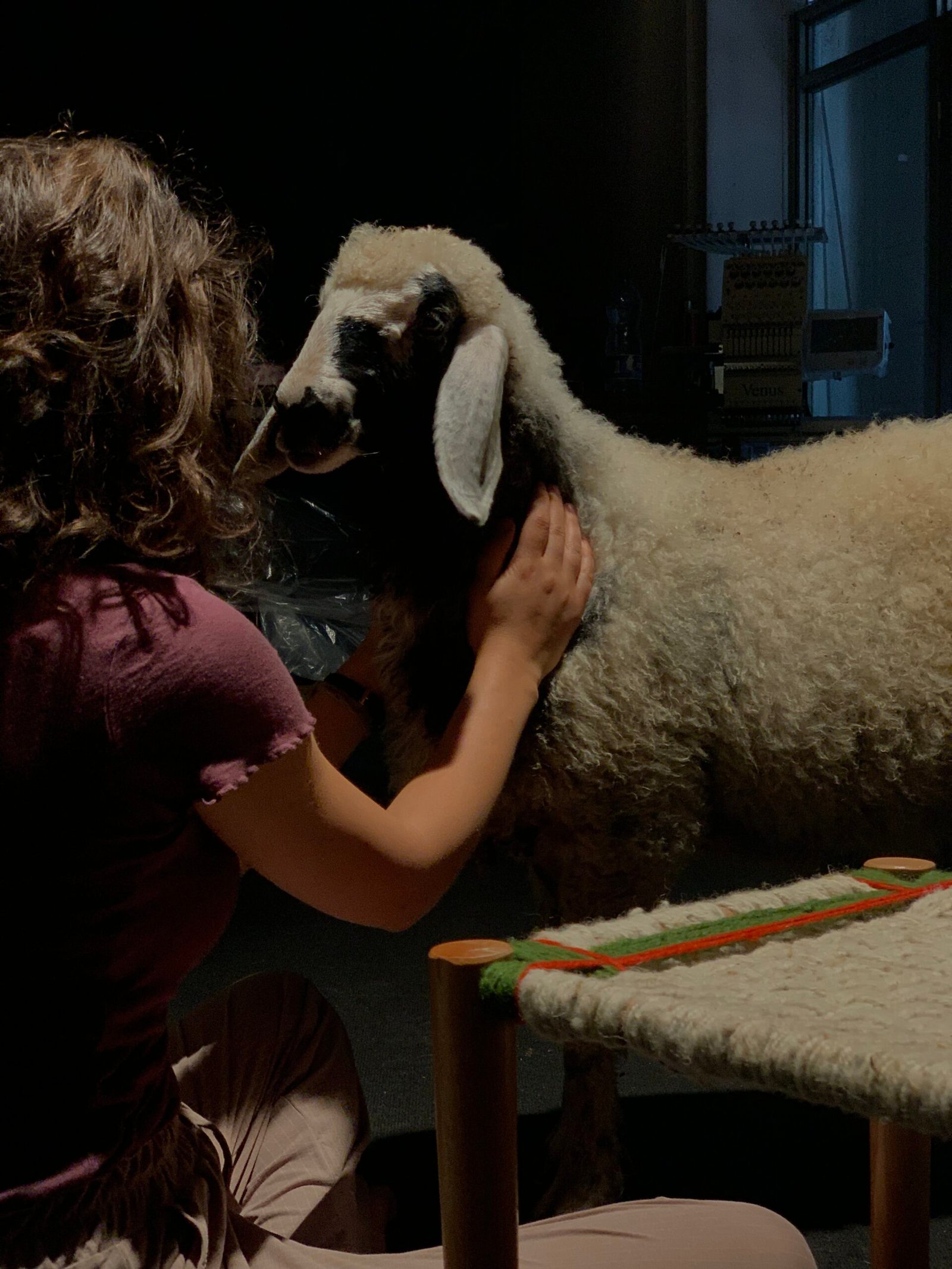
At Woolwoman, every piece begins with a commitment to sustainability, cultural continuity, and material truth. Our process honours both the land and the people who shape the wool. We source our wool exclusively from indigenous Palestinian sheep ‘specifically the hardy mountainous local breeds” whose fibers naturally offer durability, warmth, and resilience.
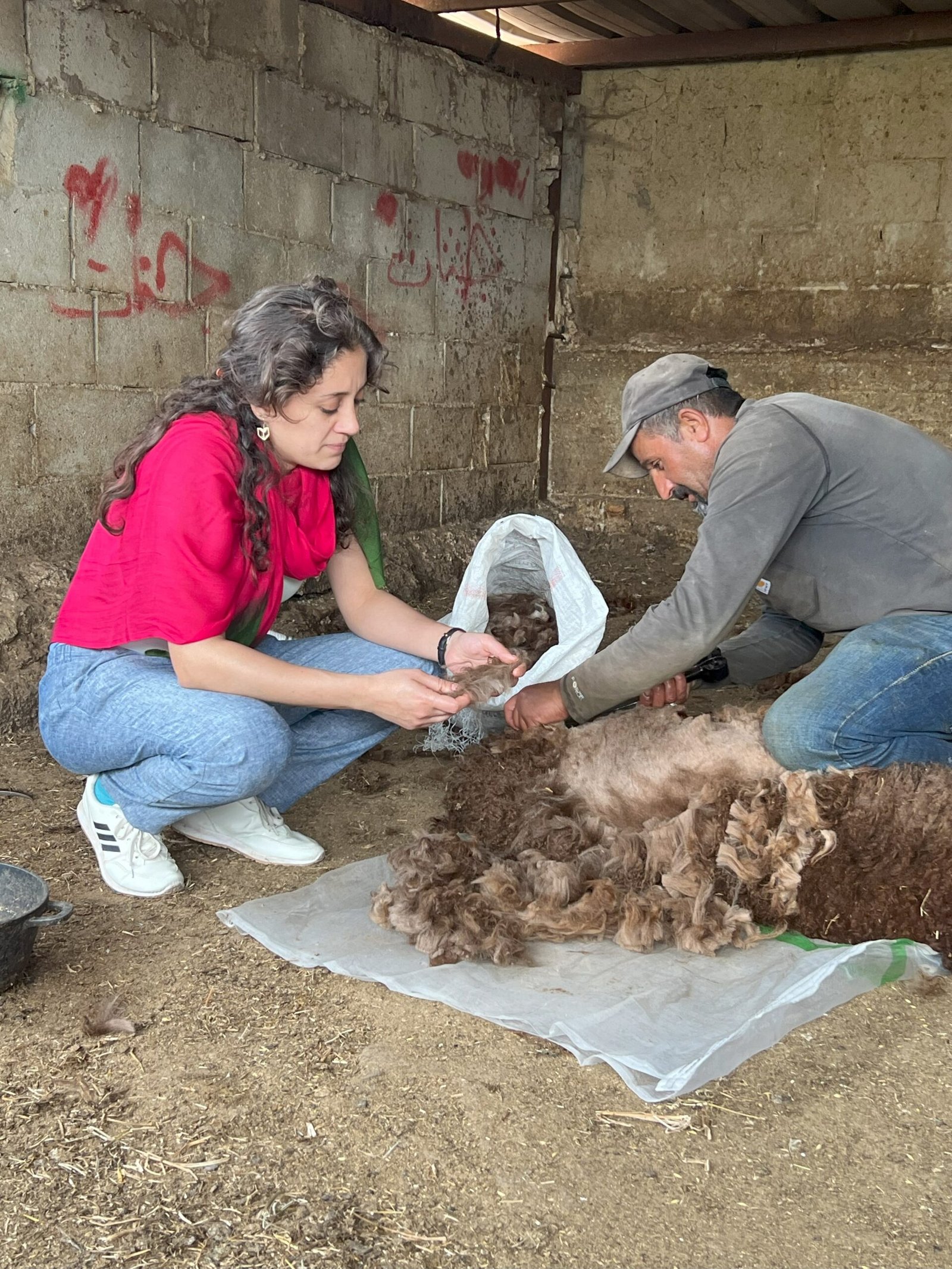
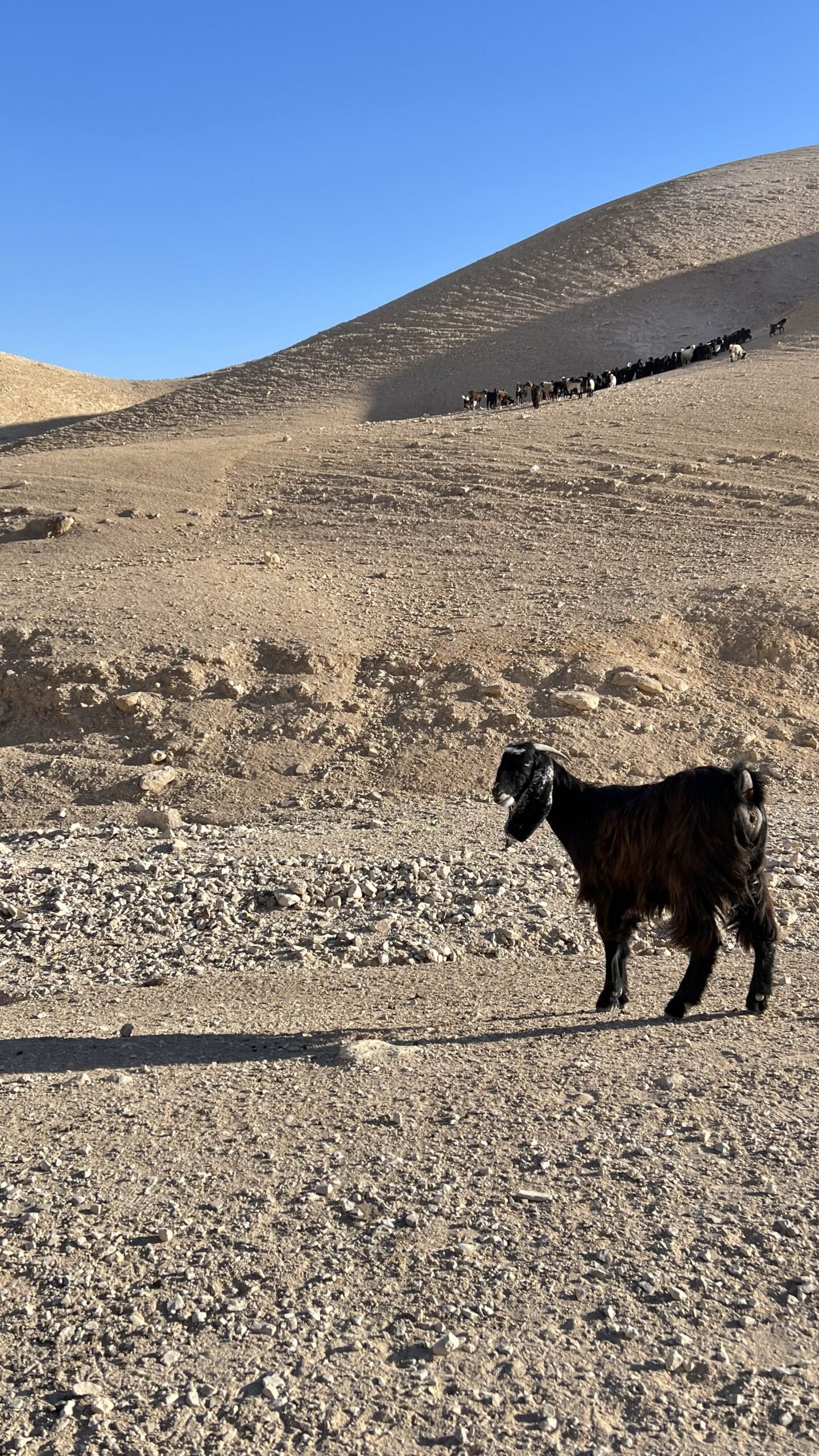
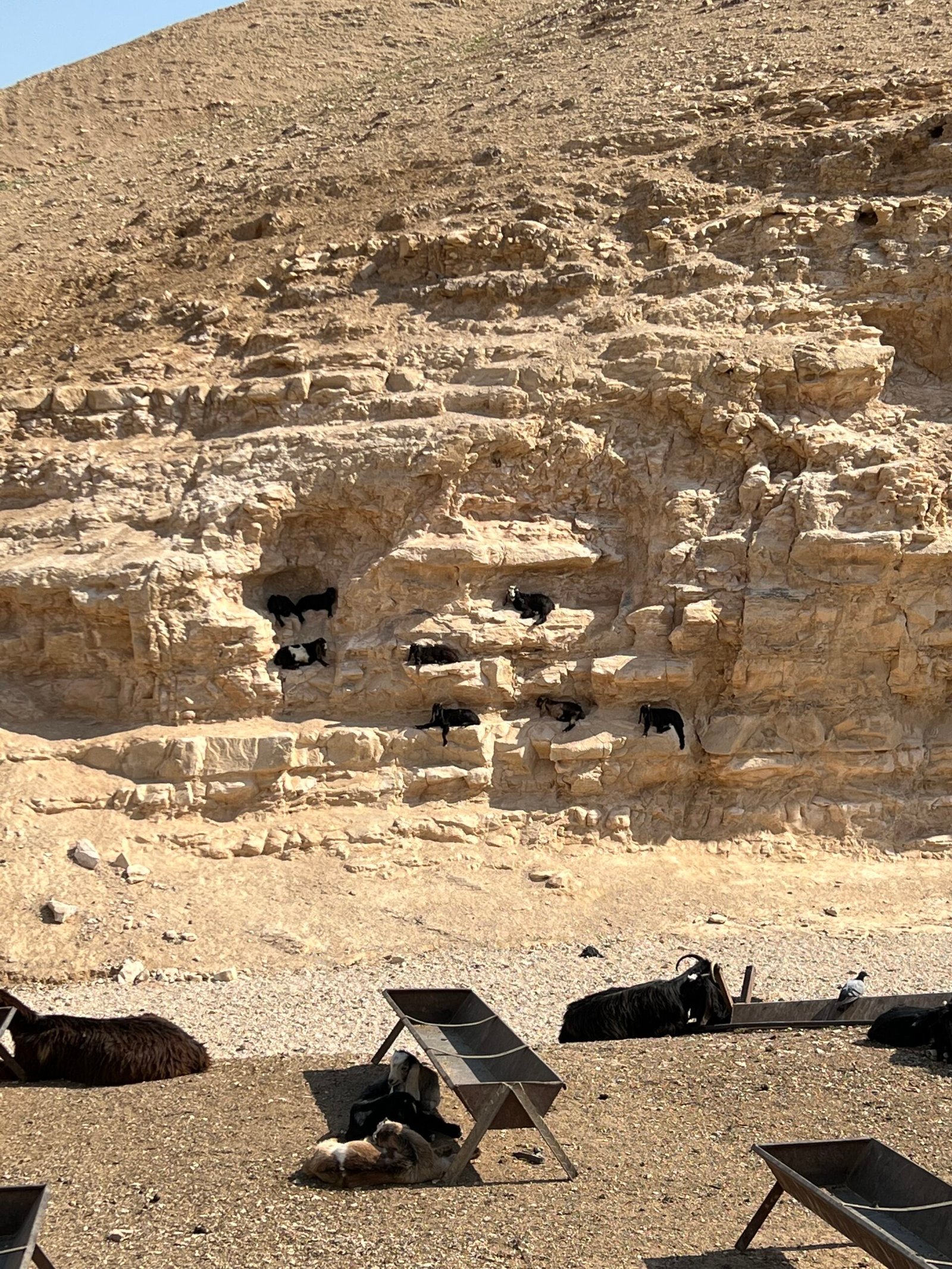
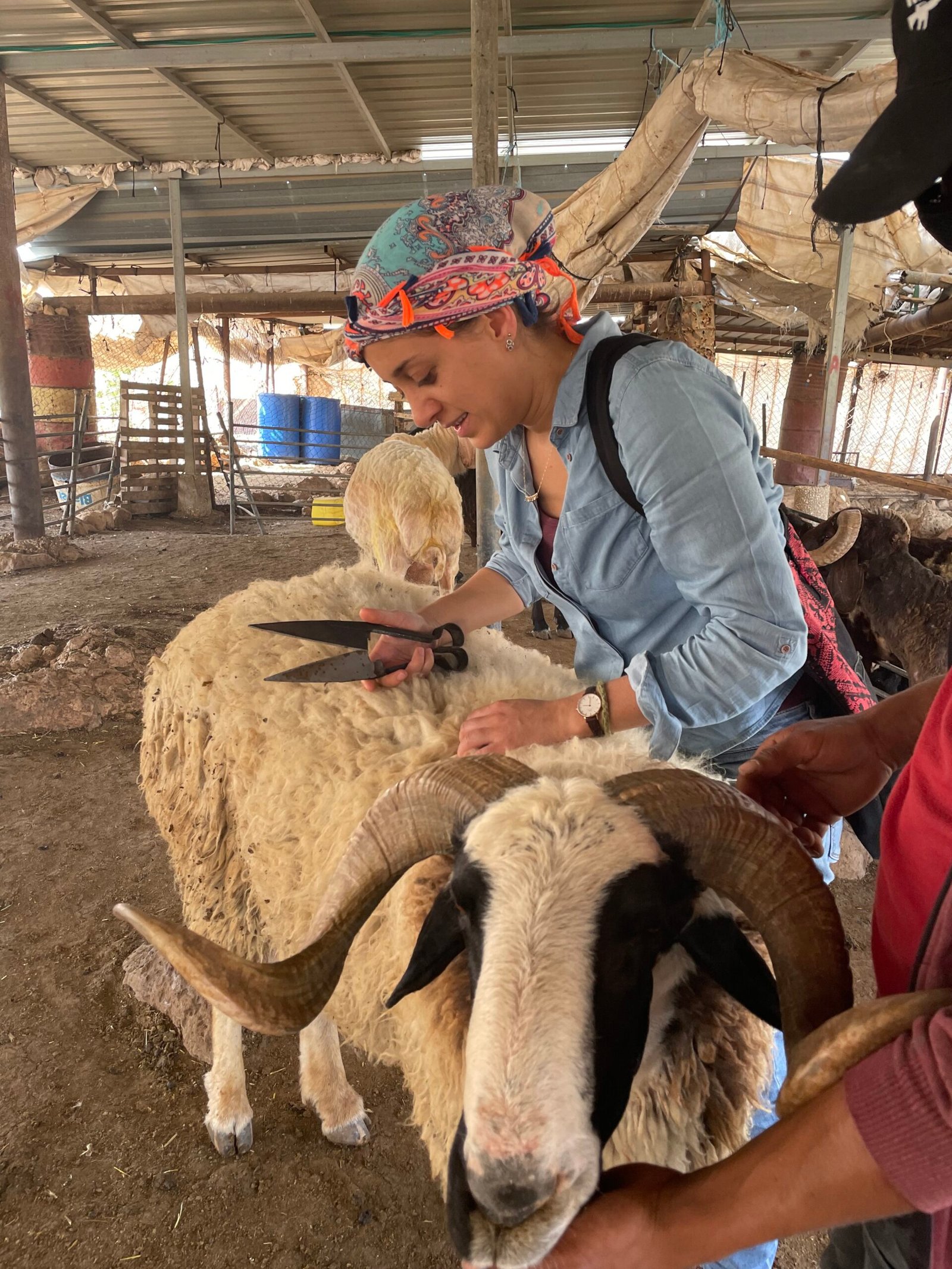
Because sheep are grazed and shorn only once a year in spring, the wool cycle is deeply seasonal and requires long-term planning. We collaborate directly with shepherd communities across rural Palestine, ensuring that the wool is preserved rather than discarded or burned—an unfortunately common outcome due to limited local processing facilities. This collaboration allows the material to stay rooted in its landscape and supports communities facing severe pressures, including settler attacks on grazing areas.
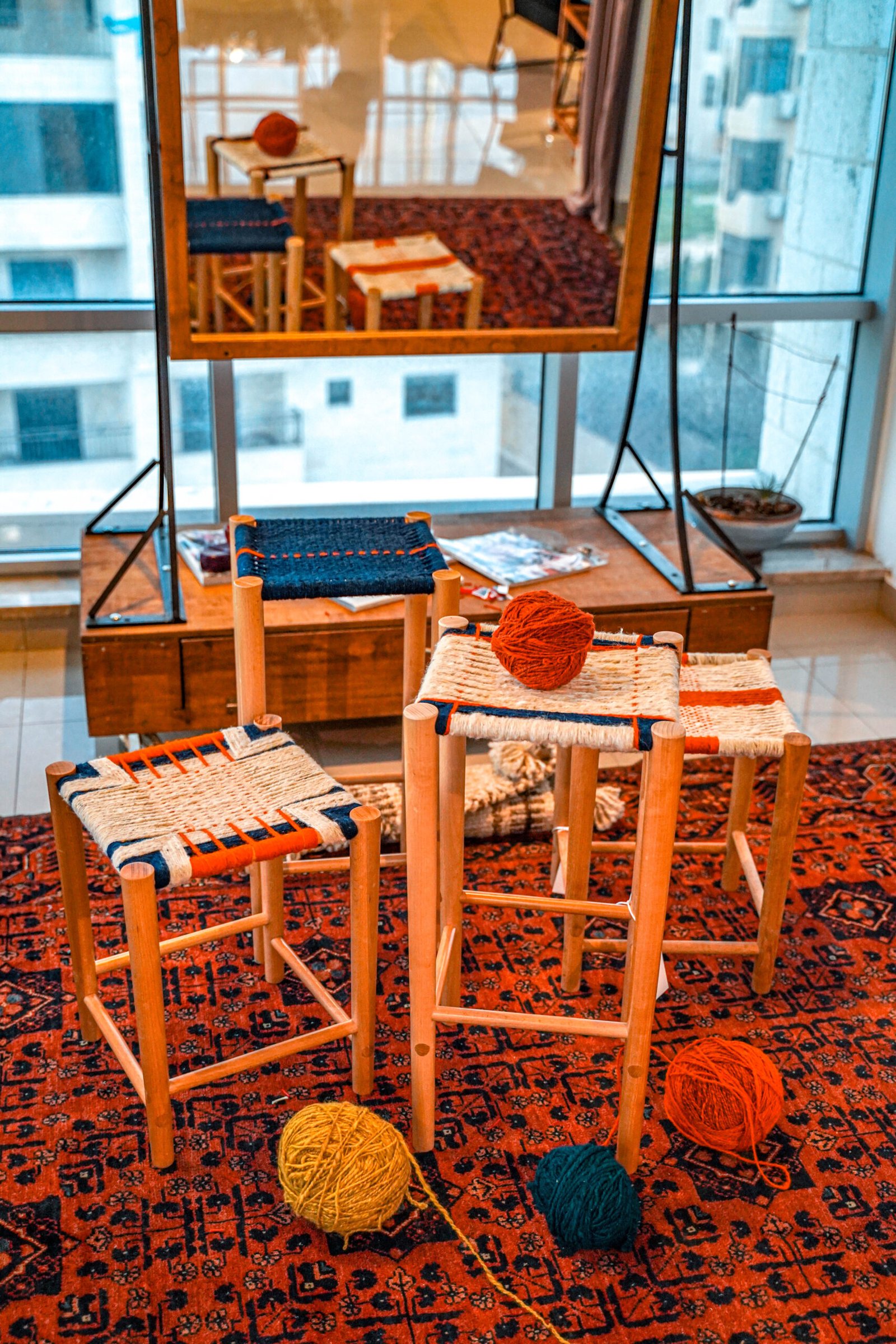
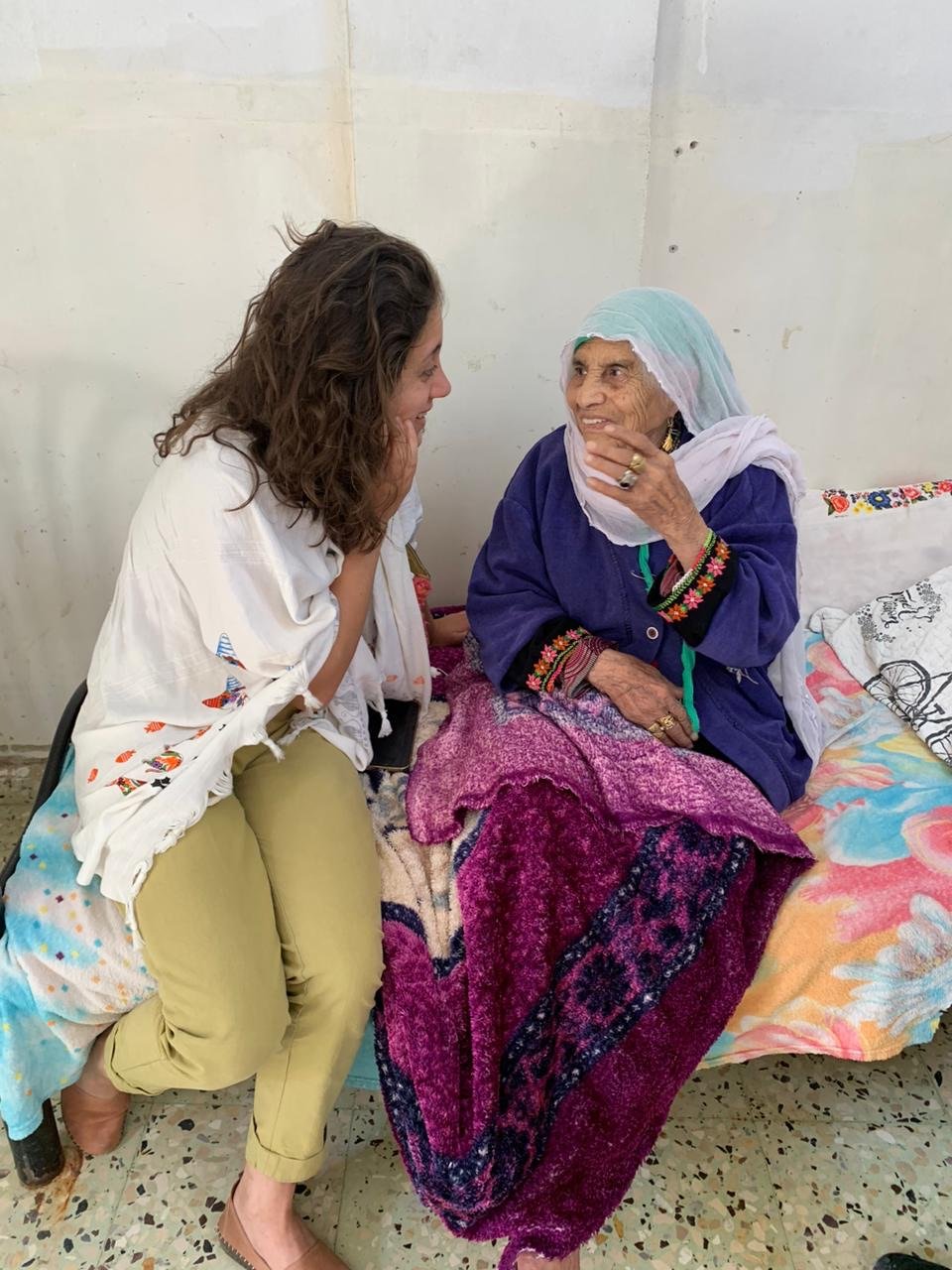
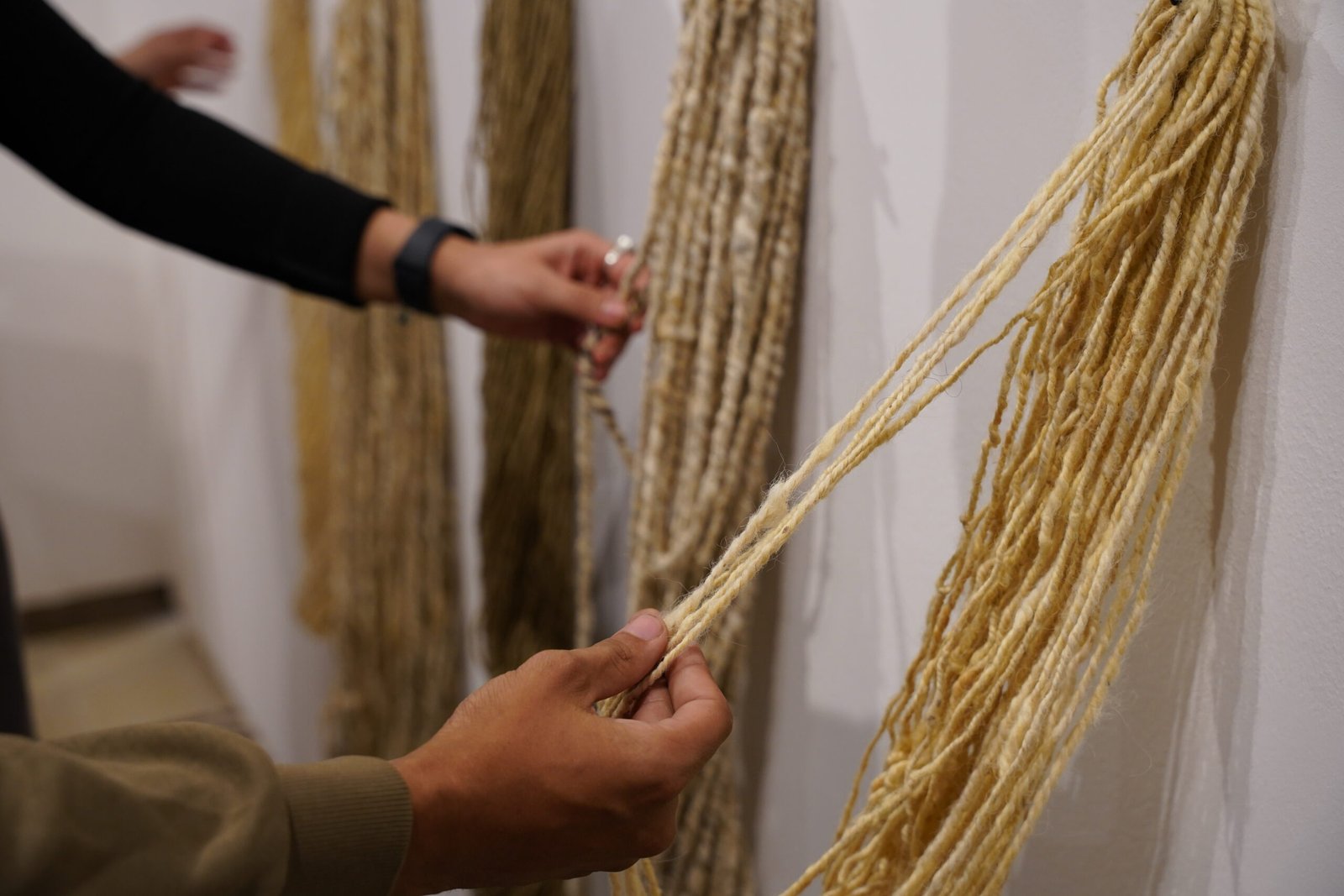
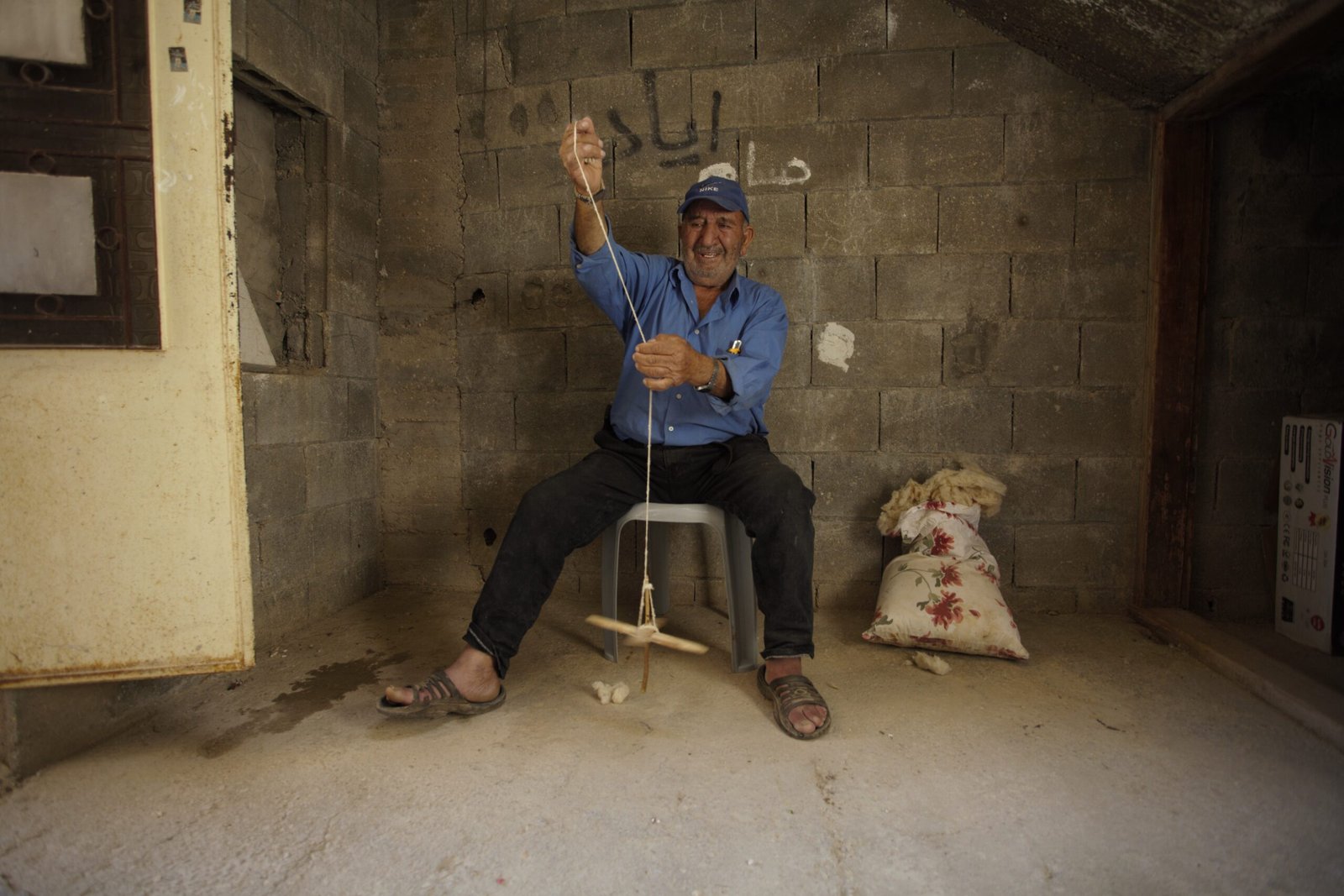
Once collected, the raw wool is thoroughly washed using only water and traditional soap, then left to dry under the sun’s heat. Skilled Palestinian women then transform the fibers through hand-spinning and rolling, following Woolwoman’s specifications for texture, density, and structural integrity. Their knowledge, inherited and refined over generations, is essential to the character of every Woolwoman piece.
This slow, intentional making process keeps the craft alive, sustains local livelihoods, and ensures that each design embodies a dialogue between heritage and contemporary design.
Overcoming Hardships
Living under Israeli occupation means facing daily challenges that directly affect both people and land. In recent years, Israeli settler–herder groups have expanded across the West Bank, displacing Palestinian shepherds, destroying grazing routes, and forcing entire herding communities to abandon their villages. These assaults have led to the loss of flocks, livelihoods, and ancestral lands, sometimes even resulting in deadly violence against shepherds. The consequences are devastating not only for families but also for the continuity of Palestine’s rural wool economy.
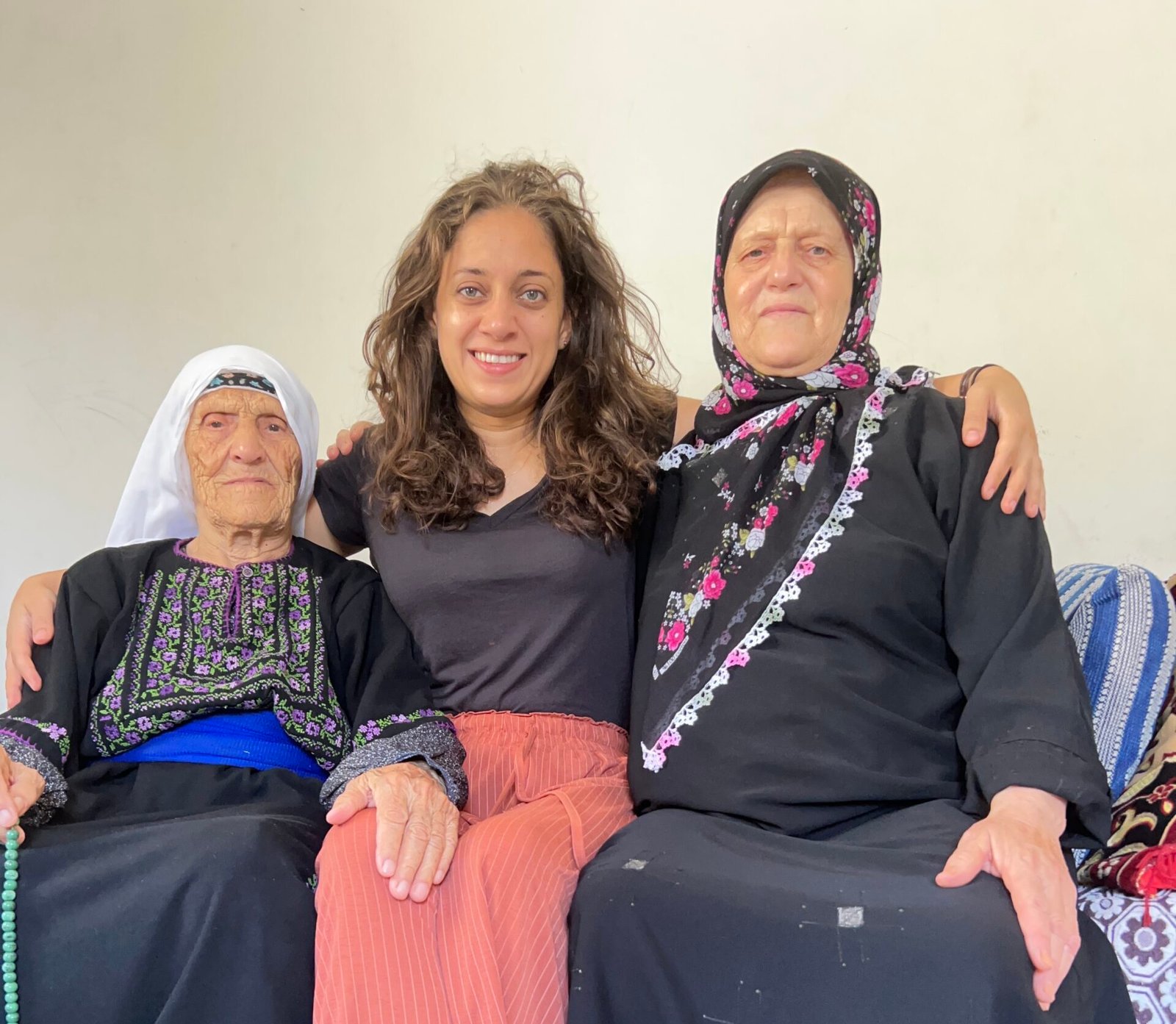
Despite these harsh realities, Woolwoman is rooted in resilience. Our mission extends beyond creating design objects; it is a form of cultural and economic resistance. We work closely with Palestinian women in marginalized areas of the West Bank; women who once mastered spinning and weaving but were pushed away from the craft for over three decades due to political, economic, and social pressures.
By reviving these ancestral practices, Woolwoman aims to preserve tangible cultural heritage while restoring a sense of agency and livelihood to the communities most affected. Each piece we produce represents not only a handmade object, but also an act of endurance, remembrance, and connection to the land that continues to define us.
Stand with Palestine’s Keepers of Wool
When you choose Woolwoman, you stand with the Palestinian shepherds who protect their flocks under constant threat, and with the women who spin, dye, and weave wool using knowledge carried across generations. Your support becomes a lifeline—strengthening the communities who continue this craft despite displacement, economic pressures, and the daily realities of occupation.
Your choice is more than a purchase; it is an act of solidarity. Together, we uphold the dignity of these shepherding and crafting communities, protect a heritage endangered by political violence and erasure, and fortify Palestine’s rightful claim to its land, history, and creative traditions. Through this shared commitment, we help sustain a living craft and empower the people who keep it alive.
Join Our Community
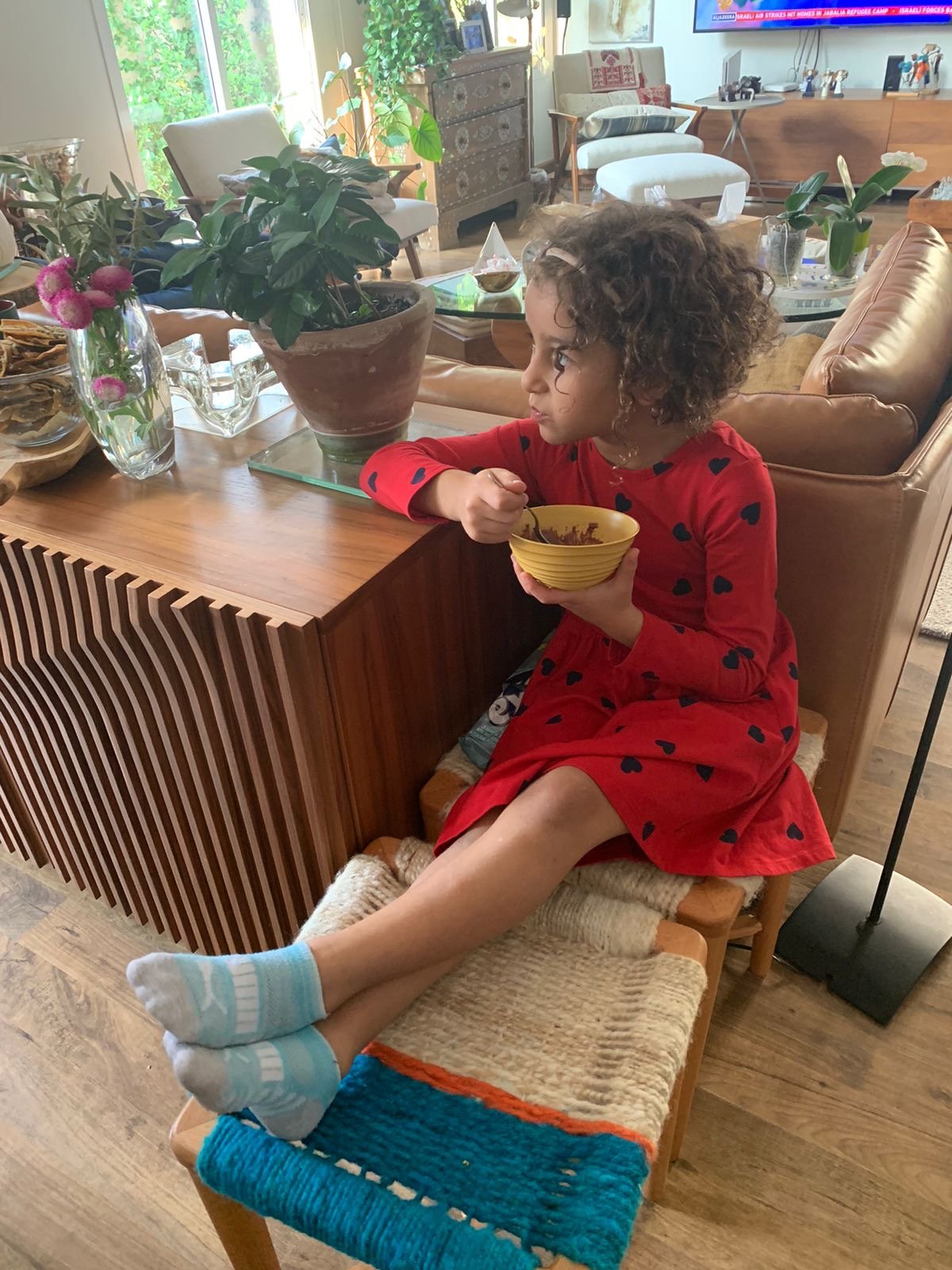
We invite you to explore pieces that carry the story of Palestinian land, women, and craftsmanship into your home. Every Woolwoman creation strengthens local livelihoods, protects an endangered heritage, and becomes part of a collective act of cultural resistance. Your choice matters—stand with Palestinian communities, honor their artistry, and help keep this tradition alive.
About the Founder
Lara Salous’s practice moves between architecture, material research, and socially engaged art, tracing the contemporary use of raw wool and traditional textiles in Palestinian interiors. Her practice unfolds through tactile inquiry into wool as both material and method, as a site where collective gestures, ecological memory, and oral traditions come together. What began as an encounter with a Bedouin weaving community in 2021 has extended into a broader consideration of how heritage crafts persist, transform, or fade under shifting cultural and political conditions. Through self-initiated research and material experimentation, she probes wool’s layered historical, ecological, and political entanglements, asking what forms of knowledge, care, and belonging might be carried through its threads. Holding degrees from Birzeit University and the University of Westminster, Lara exhibits internationally, proposing new narratives for textile-making as a vessel for memory, land, and identity.
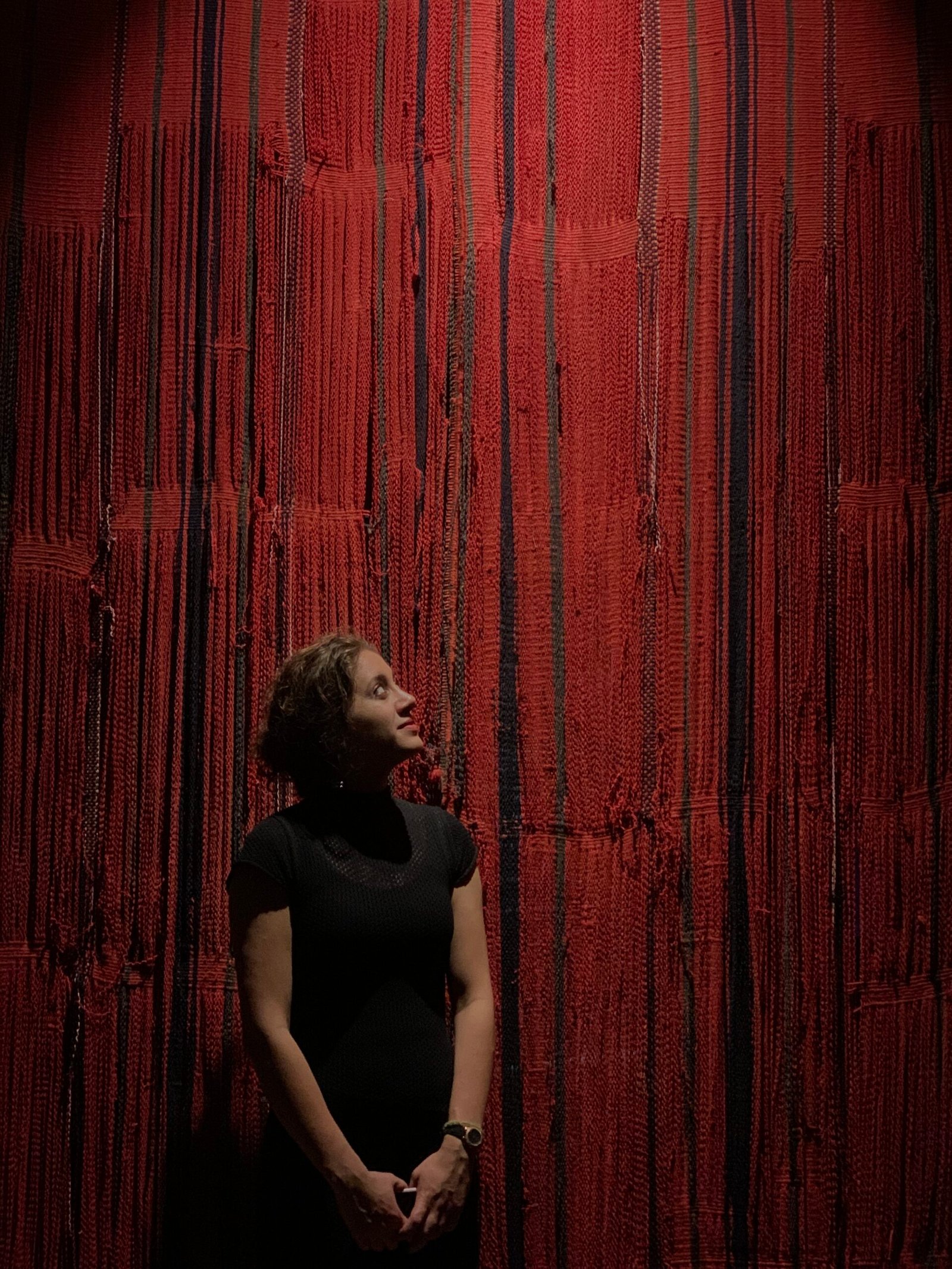
An interview of the artist’s artwork (what remains) at Alqattan Foundation
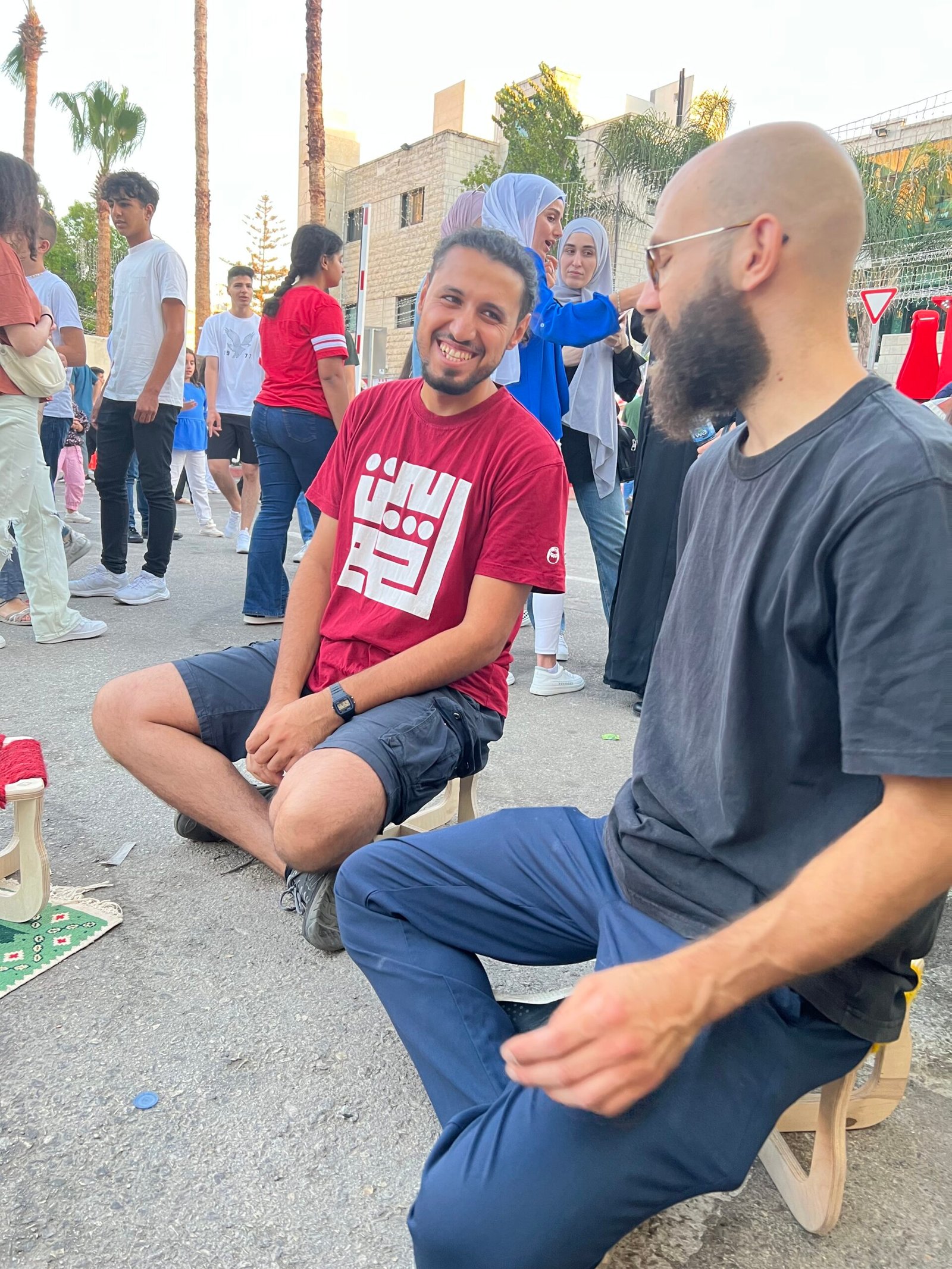
Woolwoman embodies the living continuity of a Palestinian artistic practice, an artist working hand-in-hand with her community of shepherds, women wool-makers, interior designers, architects, and carpenters to create a model of how the new generation can draw from local knowledge and carry it forward with responsibility and pride.
Lara Salous
- On Weaving Palestinian Heritage – Feature by Everything is Political
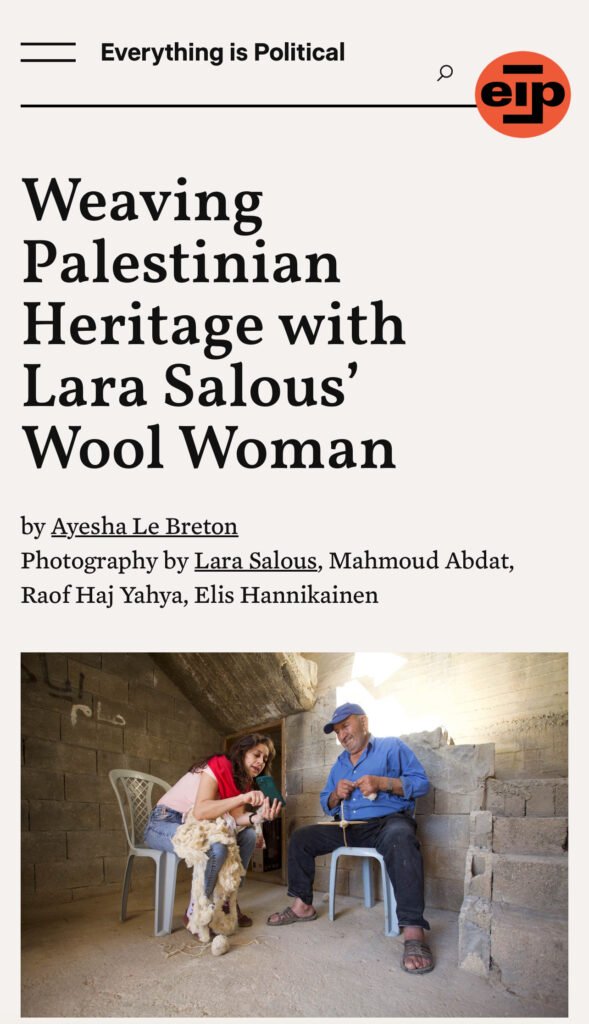 This feature by Everything Is Political, written by Ayesha Le Breton, traces my ongoing work… Read more: On Weaving Palestinian Heritage – Feature by Everything is Political
 - Woolen Contemplations تأملات صوفيّة
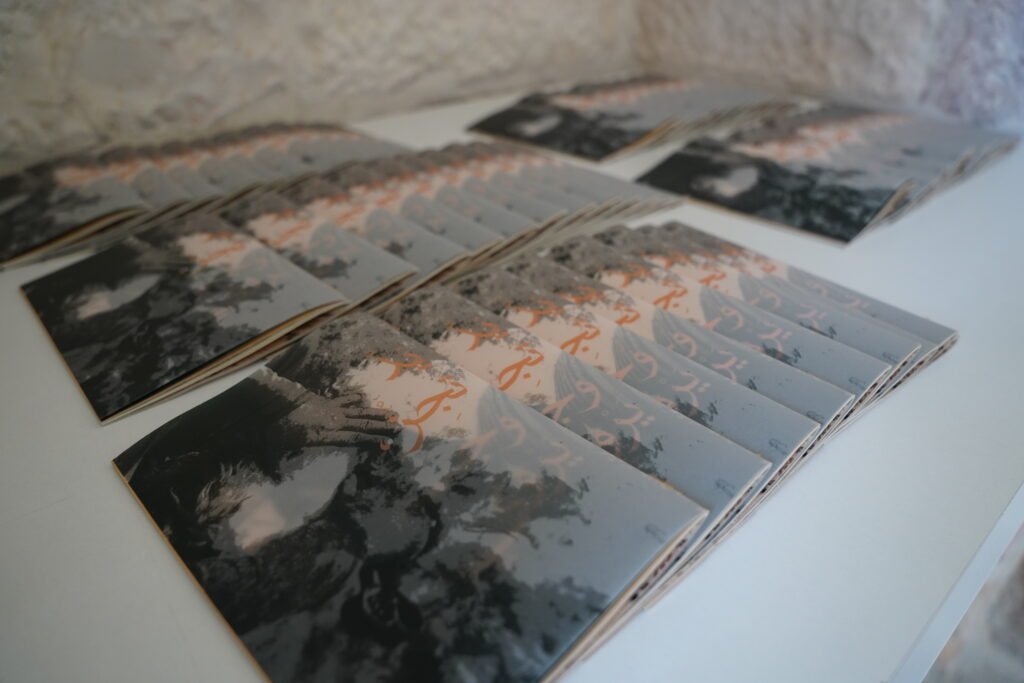 تم اصدار هذا العمل الفني “تأملات صوفيَة ” في معرضي الفردي الفني في مركز خليل… Read more: Woolen Contemplations تأملات صوفيّة
 - ‘The Hand Sheers, the Body Narrates’ Solo art exhibition by Lara Salous
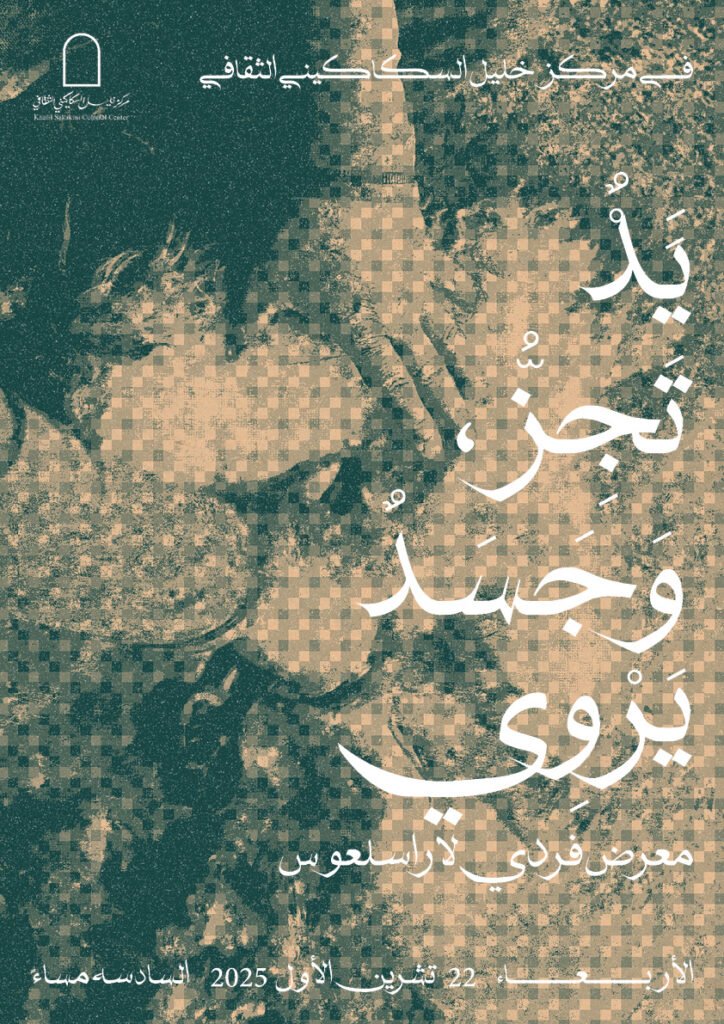 I am proud to present my third solo exhibition in Palestine, hosted by the Khalil… Read more: ‘The Hand Sheers, the Body Narrates’ Solo art exhibition by Lara Salous
 - ‘If Only We Could Bury Our City’ artwork in the HIAP open studios
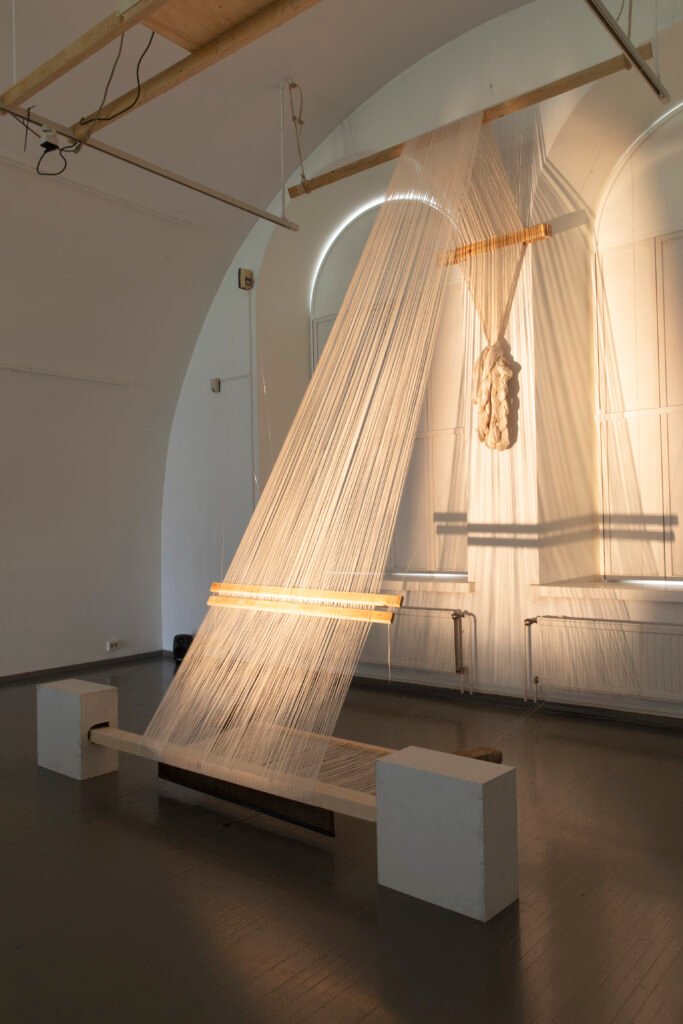 During my art residency in Titanik and HIAP . I created a multimedia art installation… Read more: ‘If Only We Could Bury Our City’ artwork in the HIAP open studios
 - ‘Hand by Hand’ Solo Art Exhibition, Finland
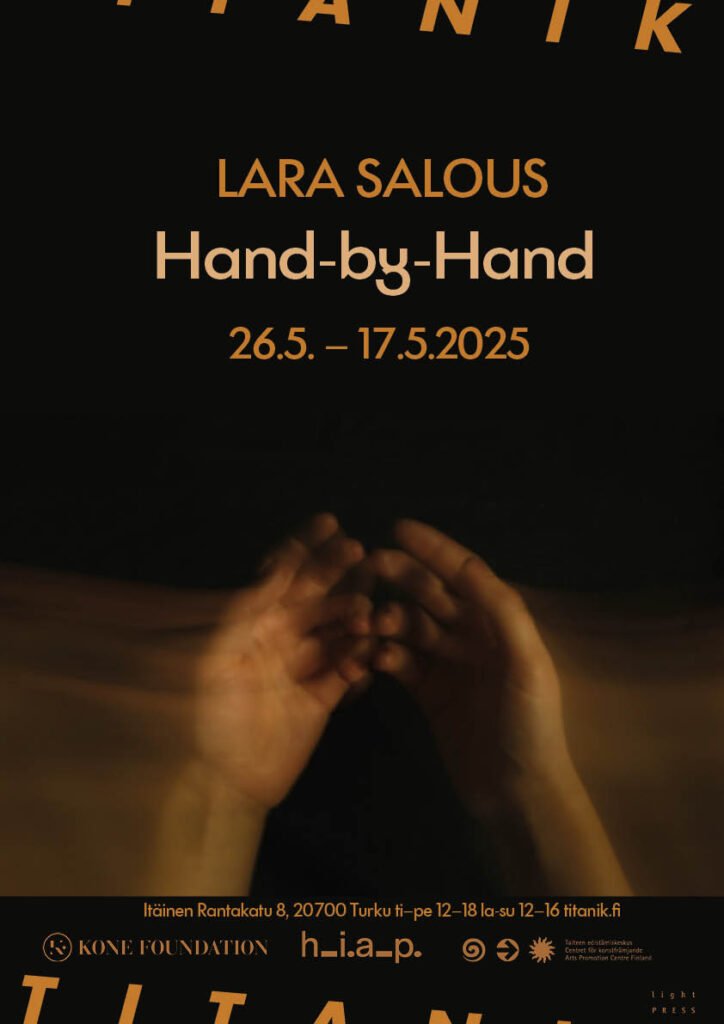 24 April – 19 June Titanik Gallery, Turku, Finland. ‘Ramallah-based Palestinian artist and designer Lara… Read more: ‘Hand by Hand’ Solo Art Exhibition, Finland